Pathways Resource Library
Tools to help people understand their options
Explore messaging, research, and resources from across the field—along with customizable, white-label tools that you can adapt, brand as your own, and use in your organization’s communications—to help you reach key audiences with language that builds confidence and expands what’s possible.
White Paper
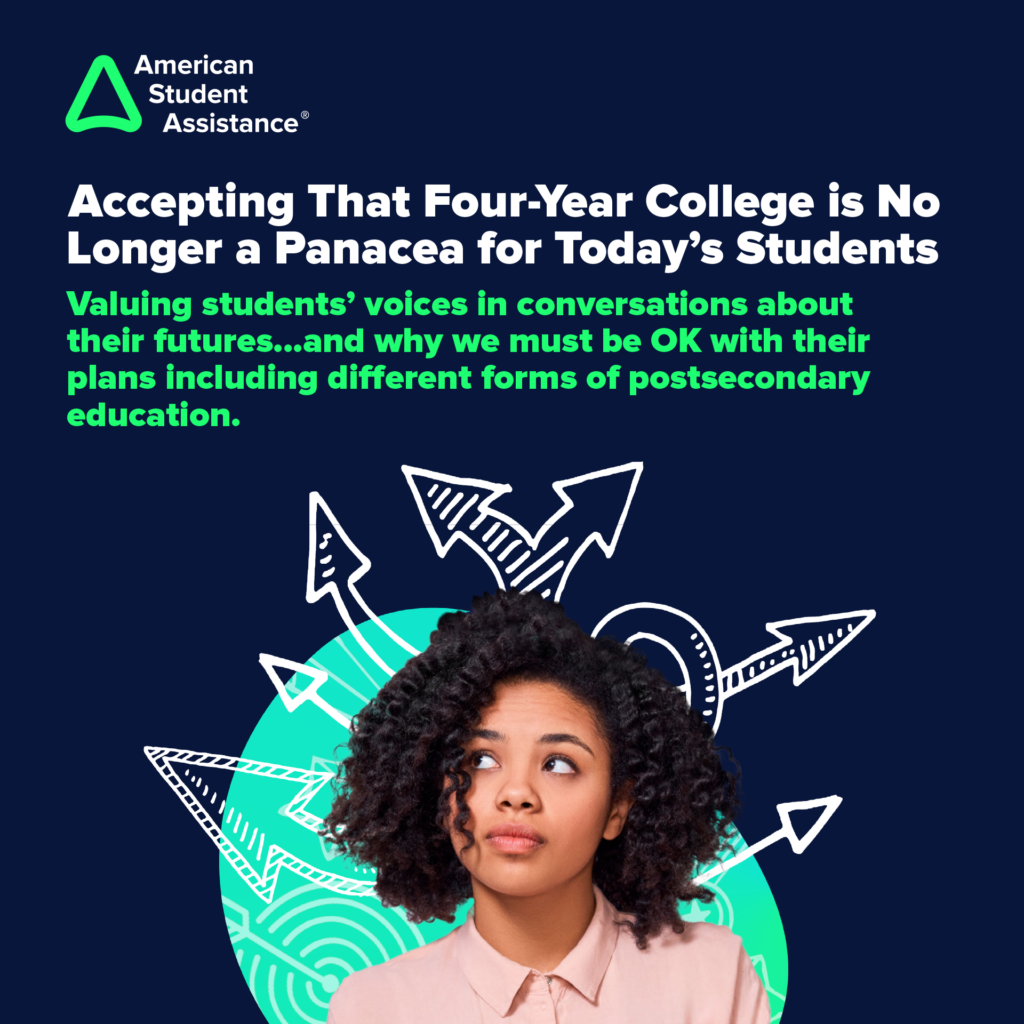
Accepting that Four Year College is No Longer a Pancea
This resource may be shared with proper attribution to the organization.
This resource may be shared with proper attribution to the organization.
This whitepaper resource by the American Student Assistance explains the importance of valuing students’ voices in conversations about their futures, and why families and communities must be OK with their plans including different forms of postsecondary education. Coverage includes the contextual differences of the college landscape "then vs. now", the pressures of decisionmaking and college attendence, policy recommendation, college students' aspirations, and how to guide them in times of uncertainty.
Research Report
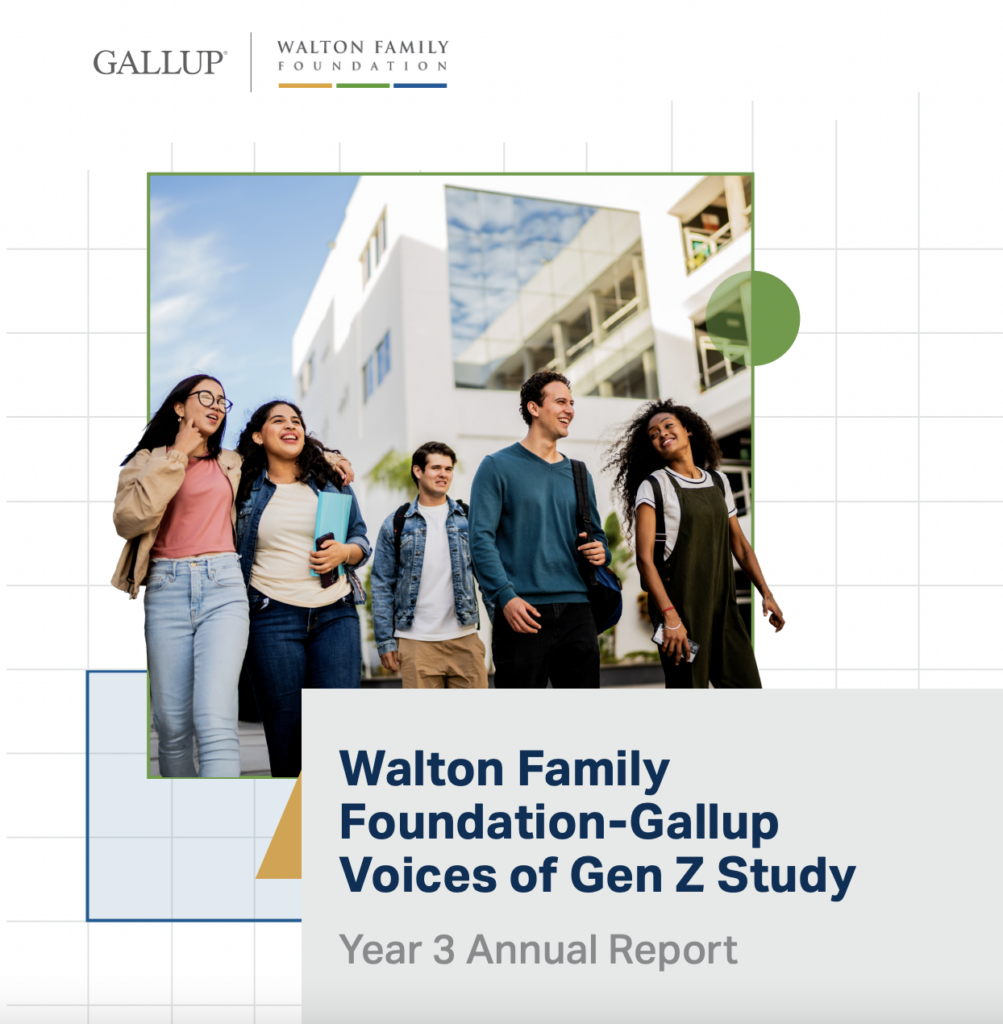
Walton FamilyFoundation‑GallupVoices of Gen Z Study: Year 3 Annual Report
This resource may be shared with proper attribution to the organization.
This resource may be shared with proper attribution to the organization.
The third installment of this annual survey series tracks the wellbeing, education, and future outlook of Generation Z, based on responses from nearly 3,800 13- to 28-year-olds. Key findings include a widening life-evaluation gap between Gen Z students and adults, record-high levels of classroom engagement, and persistent disparities linked to teacher quality and school experience. The report also examines reading habits, chronic absenteeism, cellphone policies in schools, and Gen Z's growing sense of preparedness for the future.
Playbook or Guidebook
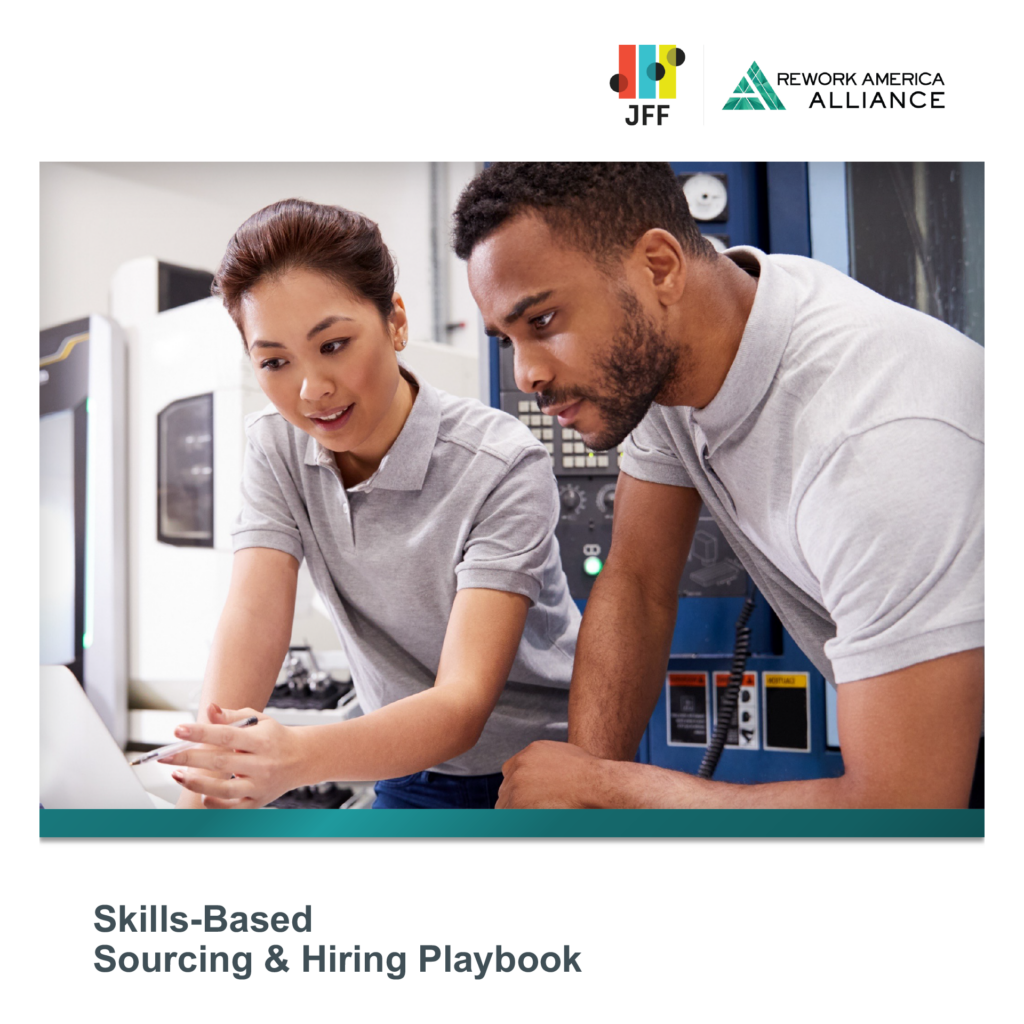
Skills-Based Sourcing and Hiring Playbook
This resource may be shared with proper attribution to the organization.
This resource may be shared with proper attribution to the organization.
This playbook is a step-by-step guide to implementing more equitable and effective approaches to employee recruiting, hiring, and advancement by embracing skills-first talent management practices.
Research Report
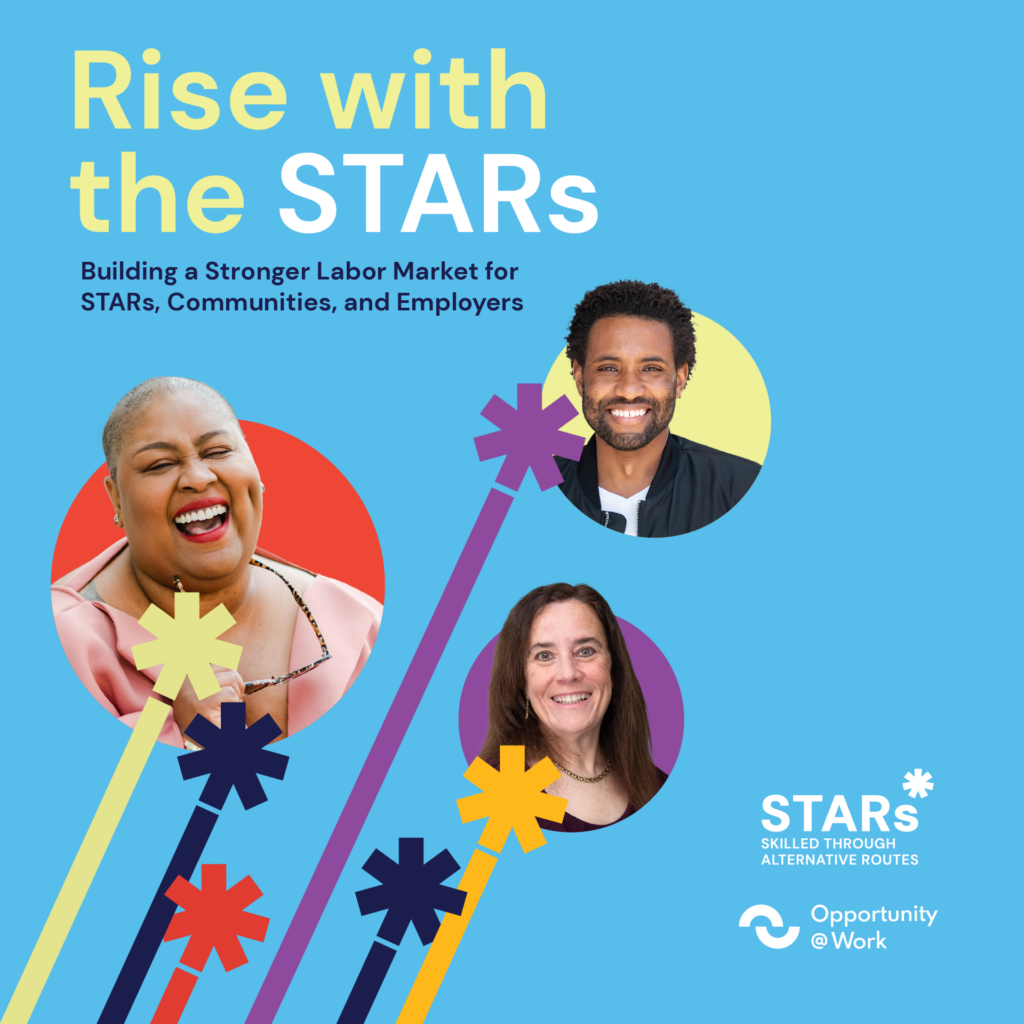
Rise with the STARs: Building a stronger labor market for STARs, communities, and employers
This resource may be shared with proper attribution to the organization.
This resource may be shared with proper attribution to the organization.
Opportunity@Work's report, Rise with the STARs: Building a Stronger Labor Market for STARs, Communities, and Employers, shows the impact of degree discrimination on employers and STARs and identifies a better path forward for everyone.

Toolkit
Communications Toolkit: Postsecondary Pathways and The Shifting American Economy.
This resource may be shared with proper attribution to the organization.
This resource may be shared with proper attribution to the organization.
A toolkit communicating pathways with students and families. it includes: a) how different pathways can look like; b) how pathway career ladder can look like; c) how pathway support systems can look like.

Toolkit
From Insights to Action: Communicating Career Pathways With Confidence
This resource may be shared with proper attribution to the organization.
This resource may be shared with proper attribution to the organization.
This communications toolkit is designed to help organizations and advocates effectively engage learners and employers regarding the value of career education and training programs as well as skill-based hiring. It offers research-backed messaging that reflects what people care about most—and what motivates them to take action. These messages don’t just describe the benefits of pathways programs, they also help audiences see these options as relevant, accessible, and worth pursuing. The guidance in this manual is grounded in science-based communication practices and shaped by extensive research, including a landscape analysis of messaging in the field and media, a nationally representative survey with message testing, roundtable discussions with learners and employers, and a series of pulse surveys.
This toolkit offers adaptable, ready-to-use messages, language, and themes to support outreach, engagement, and storytelling. Use them to strengthen your communications—whether you're writing a social post, developing a presentation, or talking with partners and stakeholders. The messages are designed to be flexible; feel free to use them as written or tailor them to fit your audience and voice.
Playbook or Guidebook
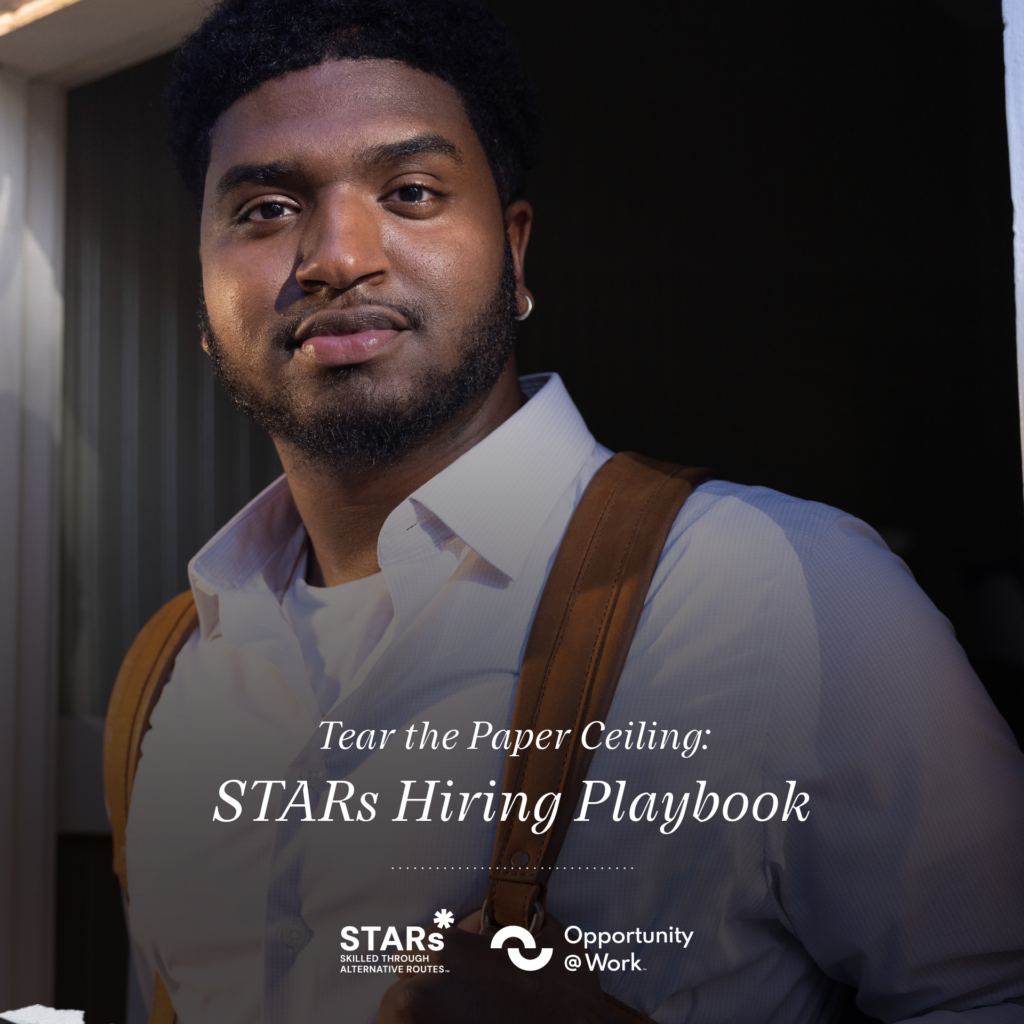
Tear the Paper Ceiling
This resource may be shared with proper attribution to the organization.
This resource may be shared with proper attribution to the organization.
The Tear the Paper Ceiling: STARs Hiring Playbook gives human resource professionals, talent leaders, and hiring managers practical tools and guidance to shift their hiring to include STARs - workers Skilled Through Alternative Routes.
Research Report
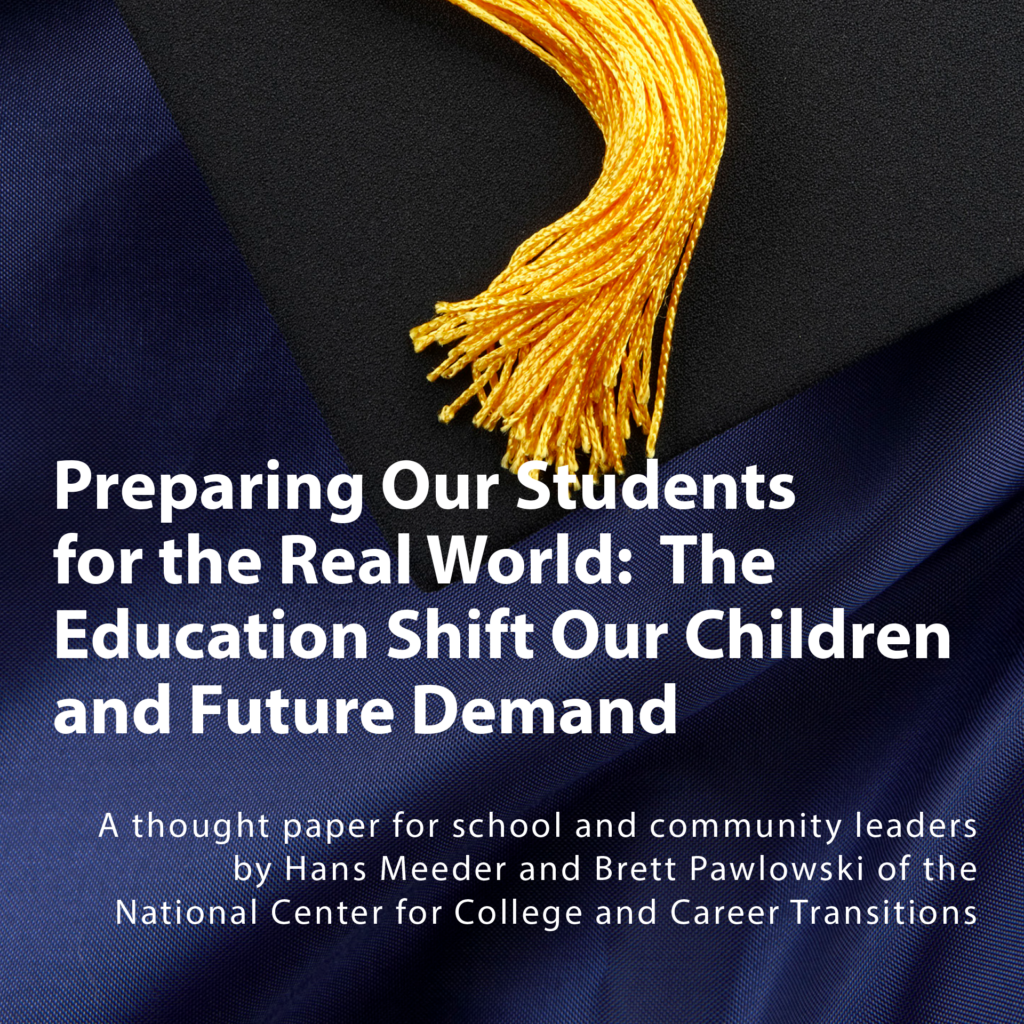
Preparing our Students for the Real World
This resource may be shared with proper attribution to the organization.
This resource may be shared with proper attribution to the organization.
This is a thought paper for school and community leaders. It takes an honest look at the reality of what was facing America students and its workforce in 2019 and what brought America to this reality. It also provides clarity and direction to bring greater effectiveness and scalability to Career Connected Learning practices.
Toolkit
Roadtrip Nation Storytelling Toolkit
This resource may be shared with proper attribution to the organization.
This resource may be shared with proper attribution to the organization.
This storytelling toolkit outlined the fundamentals of Road Trip Nation's storytelling approach, developed over two decades of co-creating these stories with young people, so that other nonprofits and impact-minded organizations can amplify young people’s voices and stories in their own work.
Filters
White Paper
Accepting that Four Year College is No Longer a Pancea
This resource may be shared with proper attribution to the organization.
This resource may be shared with proper attribution to the organization.
This whitepaper resource by the American Student Assistance explains the importance of valuing students’ voices in conversations about their futures, and why families and communities must be OK with their plans including different forms of postsecondary education. Coverage includes the contextual differences of the college landscape "then vs. now", the pressures of decisionmaking and college attendence, policy recommendation, college students' aspirations, and how to guide them in times of uncertainty.
Research Report
Walton FamilyFoundation‑GallupVoices of Gen Z Study: Year 3 Annual Report
This resource may be shared with proper attribution to the organization.
This resource may be shared with proper attribution to the organization.
The third installment of this annual survey series tracks the wellbeing, education, and future outlook of Generation Z, based on responses from nearly 3,800 13- to 28-year-olds. Key findings include a widening life-evaluation gap between Gen Z students and adults, record-high levels of classroom engagement, and persistent disparities linked to teacher quality and school experience. The report also examines reading habits, chronic absenteeism, cellphone policies in schools, and Gen Z's growing sense of preparedness for the future.
Playbook or Guidebook
Skills-Based Sourcing and Hiring Playbook
This resource may be shared with proper attribution to the organization.
This resource may be shared with proper attribution to the organization.
This playbook is a step-by-step guide to implementing more equitable and effective approaches to employee recruiting, hiring, and advancement by embracing skills-first talent management practices.
Research Report
Rise with the STARs: Building a stronger labor market for STARs, communities, and employers
This resource may be shared with proper attribution to the organization.
This resource may be shared with proper attribution to the organization.
Opportunity@Work's report, Rise with the STARs: Building a Stronger Labor Market for STARs, Communities, and Employers, shows the impact of degree discrimination on employers and STARs and identifies a better path forward for everyone.
Toolkit
Communications Toolkit: Postsecondary Pathways and The Shifting American Economy.
This resource may be shared with proper attribution to the organization.
This resource may be shared with proper attribution to the organization.
A toolkit communicating pathways with students and families. it includes: a) how different pathways can look like; b) how pathway career ladder can look like; c) how pathway support systems can look like.
Toolkit
From Insights to Action: Communicating Career Pathways With Confidence
This resource may be shared with proper attribution to the organization.
This resource may be shared with proper attribution to the organization.
This communications toolkit is designed to help organizations and advocates effectively engage learners and employers regarding the value of career education and training programs as well as skill-based hiring. It offers research-backed messaging that reflects what people care about most—and what motivates them to take action. These messages don’t just describe the benefits of pathways programs, they also help audiences see these options as relevant, accessible, and worth pursuing. The guidance in this manual is grounded in science-based communication practices and shaped by extensive research, including a landscape analysis of messaging in the field and media, a nationally representative survey with message testing, roundtable discussions with learners and employers, and a series of pulse surveys.
This toolkit offers adaptable, ready-to-use messages, language, and themes to support outreach, engagement, and storytelling. Use them to strengthen your communications—whether you're writing a social post, developing a presentation, or talking with partners and stakeholders. The messages are designed to be flexible; feel free to use them as written or tailor them to fit your audience and voice.
Playbook or Guidebook
Tear the Paper Ceiling
This resource may be shared with proper attribution to the organization.
This resource may be shared with proper attribution to the organization.
The Tear the Paper Ceiling: STARs Hiring Playbook gives human resource professionals, talent leaders, and hiring managers practical tools and guidance to shift their hiring to include STARs - workers Skilled Through Alternative Routes.
Research Report
Preparing our Students for the Real World
This resource may be shared with proper attribution to the organization.
This resource may be shared with proper attribution to the organization.
This is a thought paper for school and community leaders. It takes an honest look at the reality of what was facing America students and its workforce in 2019 and what brought America to this reality. It also provides clarity and direction to bring greater effectiveness and scalability to Career Connected Learning practices.
Toolkit
Roadtrip Nation Storytelling Toolkit
This resource may be shared with proper attribution to the organization.
This resource may be shared with proper attribution to the organization.
This storytelling toolkit outlined the fundamentals of Road Trip Nation's storytelling approach, developed over two decades of co-creating these stories with young people, so that other nonprofits and impact-minded organizations can amplify young people’s voices and stories in their own work.