Pathways Resource Library
Tools to help people understand their options
Explore messaging, research, and resources from across the field—along with customizable, white-label tools that you can adapt, brand as your own, and use in your organization’s communications—to help you reach key audiences with language that builds confidence and expands what’s possible.
Research Report
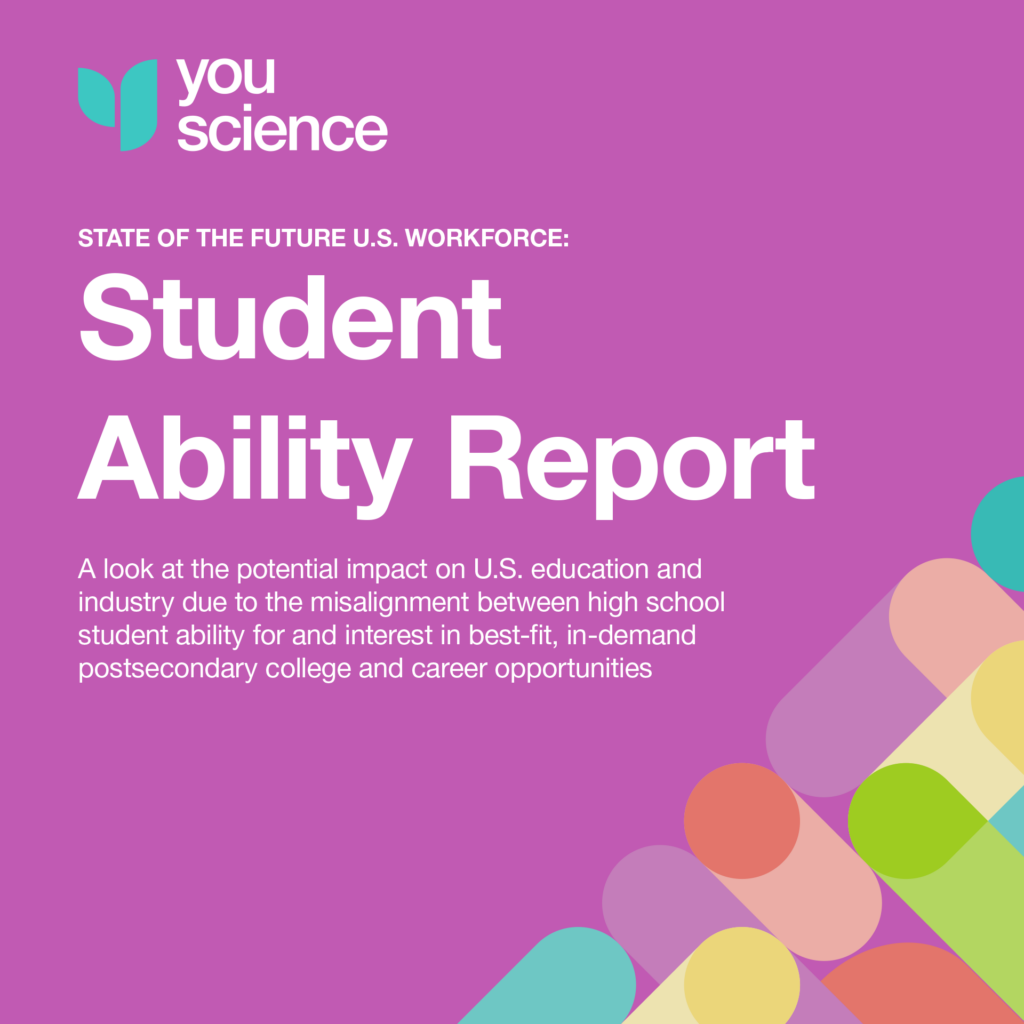
Student Ability Report
This resource may be shared with proper attribution to the organization.
This resource may be shared with proper attribution to the organization.
The State of the Future U.S. Workforce: Student Ability Report analyzes anonymized data from the YouScience Discovery aptitude-based career guidance assessments taken in U.S. high schools (grades 9 through 12) across all 50 states in 2021. They outline our findings and suggest solutions that address the challenge in a holistic, practical way in this report.
Toolkit
What does it take to engage in narrative change
This resource may be shared with proper attribution to the organization.
This resource may be shared with proper attribution to the organization.
This website captures insights and lessons learned from the Pathways Narrative Project and shares tools and resources for organizations interested in engaging in narrative change as part of their mission and work. The Pathways Narrative Project is a two-year collaborative initiative, led by Wonder: Strategies for Good and supported by the Bill & Melinda Gates Foundation, Walton Family Foundation and others, that convened nine organizations to improve education and career pathways for young people. Together the cohort explored how to leverage the power of narrative to advance programs and systems change in the pathways space.
Research Report
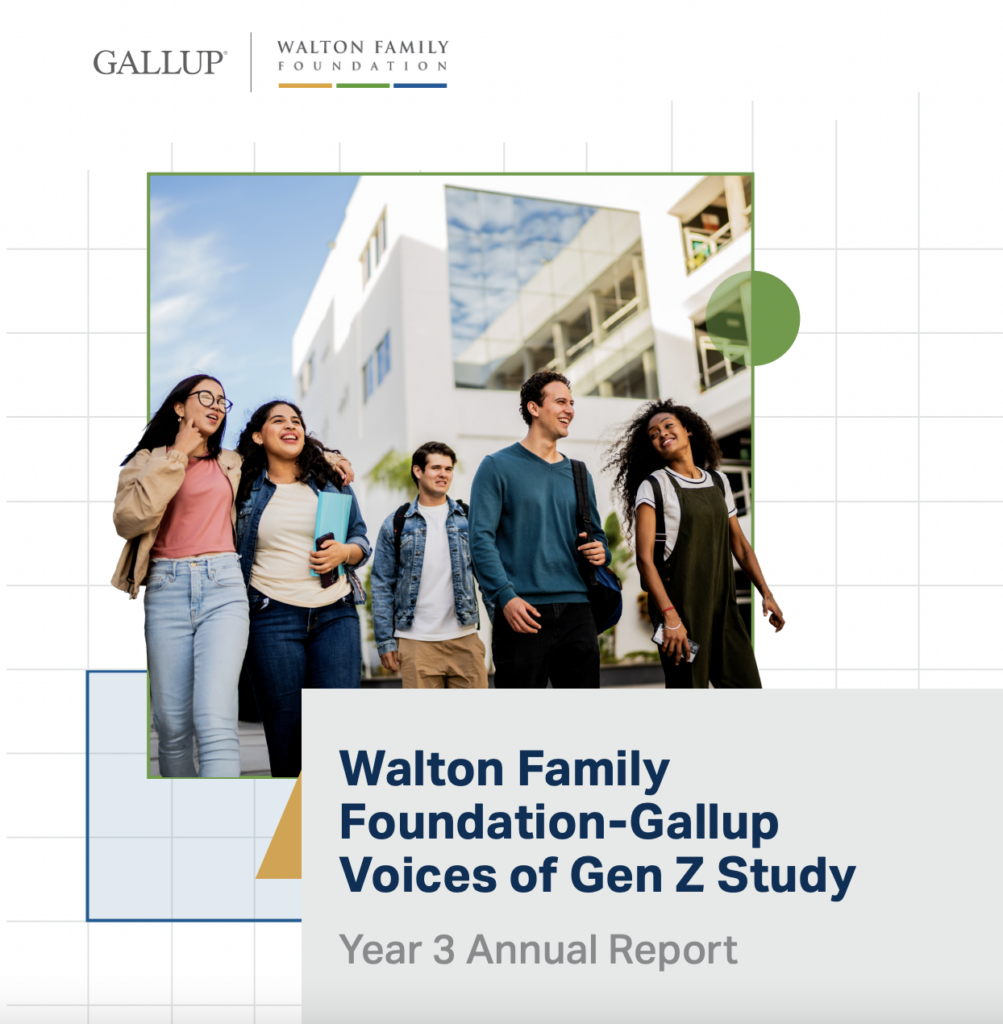
Walton FamilyFoundation‑GallupVoices of Gen Z Study: Year 3 Annual Report
This resource may be shared with proper attribution to the organization.
This resource may be shared with proper attribution to the organization.
The third installment of this annual survey series tracks the wellbeing, education, and future outlook of Generation Z, based on responses from nearly 3,800 13- to 28-year-olds. Key findings include a widening life-evaluation gap between Gen Z students and adults, record-high levels of classroom engagement, and persistent disparities linked to teacher quality and school experience. The report also examines reading habits, chronic absenteeism, cellphone policies in schools, and Gen Z's growing sense of preparedness for the future.
Blog Post
Telling the Right Stories: How Narratives Can Change Community College
This resource may be shared with proper attribution to the organization.
This resource may be shared with proper attribution to the organization.
The post highlights the gap between community college students' aspirations to earn four-year degrees and the reality that only a small percentage achieve this goal. It criticizes current narratives and policies that hinder successful transfers, particularly for low-income and minority students, and advocates for a shift towards focusing on credit mobility and recognition. By changing the narrative to value students' prior achievements and creating more flexible, student-centered pathways, the aim is to foster equitable educational and economic outcomes.
Research Report
The Pathways Narrative Project
This resource may be shared with proper attribution to the organization.
This resource may be shared with proper attribution to the organization.
Pathways Narrative is a cohort-based pilot project focused on the education and career pathways space. Each of the nine organizations in the cohort works with dedicated strategists from Wonder: Strategies for Good to develop a narrative change research project that aligns with and advances the organization’s goals. Get to know the cohort partners here, and explore the many possible approaches to narrative change.
Toolkit
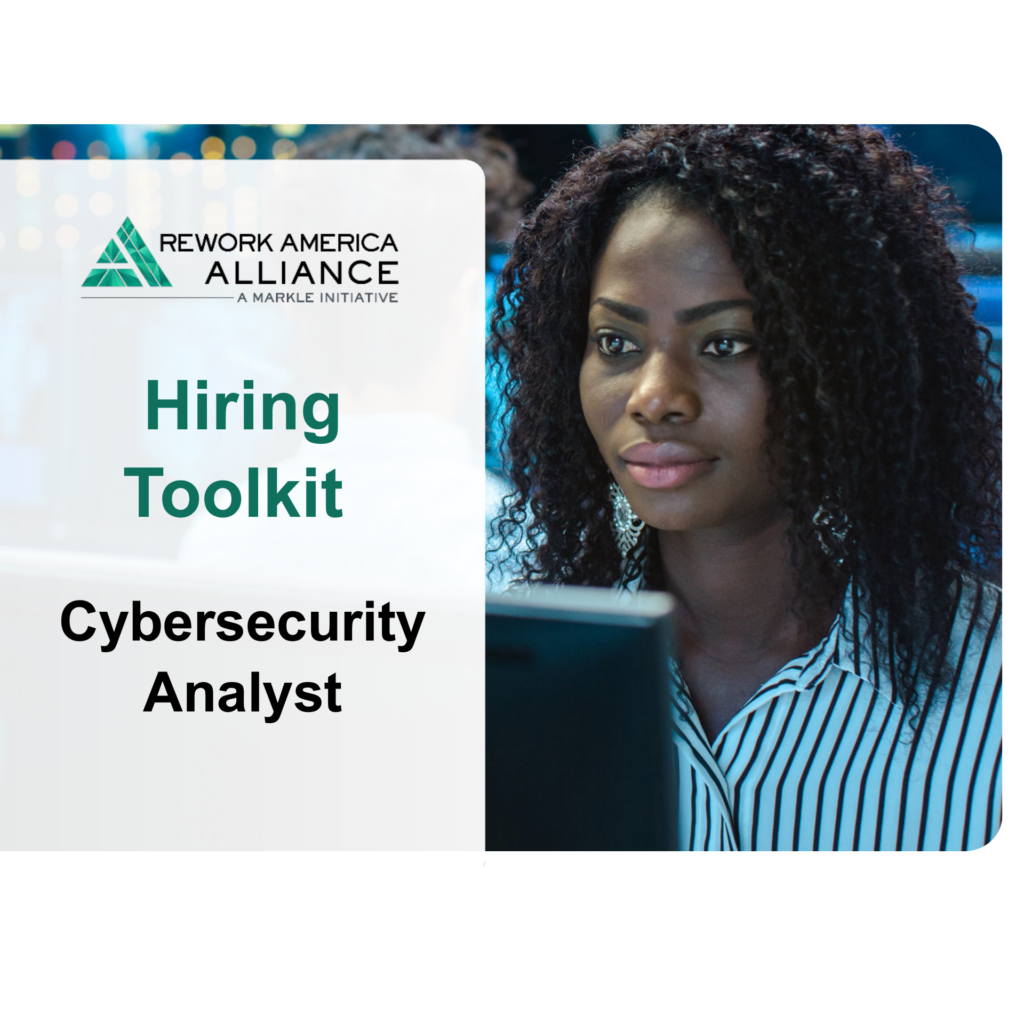
Skills-Based Hiring Toolkit
This resource may be shared with proper attribution to the organization.
This resource may be shared with proper attribution to the organization.
This resource includes a set of skills-based hiring toolkits that include a skills-based job-posting, interview questions, and onboarding plans. Each Skills-Based Hiring Toolkit is packed with valuable resources that will help you transform your hiring strategy.
Infographics
Opportunity@Work Tool: Infographics
This resource may be shared with proper attribution to the organization.
This resource may be shared with proper attribution to the organization.
Infographics demonstrating degree inflation, which caused labor shortage and opportunity gap. This can be used to talk with employers and government about the importance of skill-based hiring.
Research Report
MAKING THE CASE FOR SKILLS-FIRST HIRING WITH HIRING PROFESSIONALS
This resource may be shared with proper attribution to the organization.
This resource may be shared with proper attribution to the organization.
In 2023, SHRM Foundation commissioned Topos Foundation to investigate the effectiveness of various framing, language, and argumentation deployed in an ongoing effort, by SHRM Foundation and many other partners, to promote hiring that puts less emphasis on academic degrees and considers all the ways job candidates may be qualified for a position. This report contains valuable insights into effectively communicating the case for skills-first hiring with the broadest audience.
Book
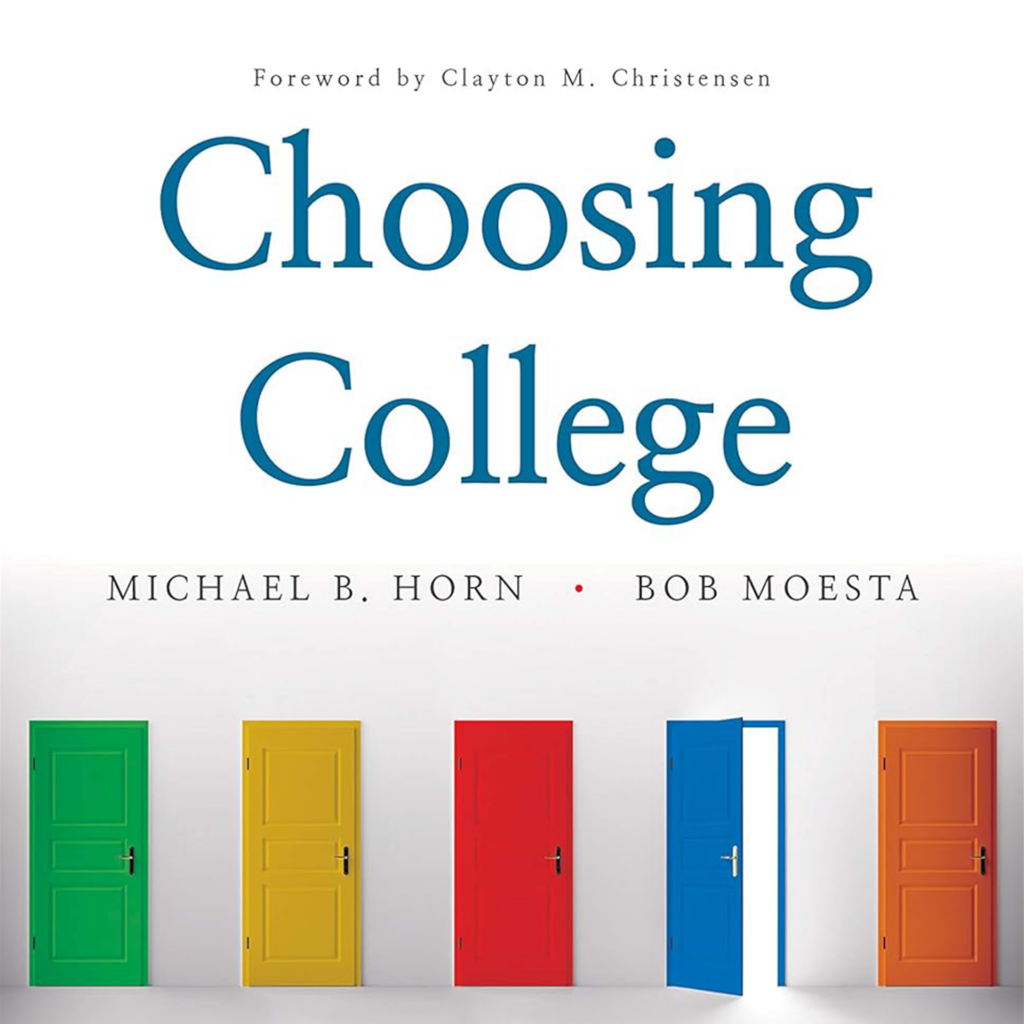
Choosing College
This resource may be shared with proper attribution to the organization.
This resource may be shared with proper attribution to the organization.
This report looks at how people make decisions regarding higher education through “Jobs-to-be-Done” theory which interrogates and exposes the real reasons people make personal choices, from buying a milk shake to make life-changing decisions. The analysis based on this theory, provides important insights, both for college-bound students and their families, but also institutions of higher education, many of which might be tooling themselves to perform the wrong job.
Filters
Research Report
Student Ability Report
This resource may be shared with proper attribution to the organization.
This resource may be shared with proper attribution to the organization.
The State of the Future U.S. Workforce: Student Ability Report analyzes anonymized data from the YouScience Discovery aptitude-based career guidance assessments taken in U.S. high schools (grades 9 through 12) across all 50 states in 2021. They outline our findings and suggest solutions that address the challenge in a holistic, practical way in this report.
Toolkit
What does it take to engage in narrative change
This resource may be shared with proper attribution to the organization.
This resource may be shared with proper attribution to the organization.
This website captures insights and lessons learned from the Pathways Narrative Project and shares tools and resources for organizations interested in engaging in narrative change as part of their mission and work. The Pathways Narrative Project is a two-year collaborative initiative, led by Wonder: Strategies for Good and supported by the Bill & Melinda Gates Foundation, Walton Family Foundation and others, that convened nine organizations to improve education and career pathways for young people. Together the cohort explored how to leverage the power of narrative to advance programs and systems change in the pathways space.
Research Report
Walton FamilyFoundation‑GallupVoices of Gen Z Study: Year 3 Annual Report
This resource may be shared with proper attribution to the organization.
This resource may be shared with proper attribution to the organization.
The third installment of this annual survey series tracks the wellbeing, education, and future outlook of Generation Z, based on responses from nearly 3,800 13- to 28-year-olds. Key findings include a widening life-evaluation gap between Gen Z students and adults, record-high levels of classroom engagement, and persistent disparities linked to teacher quality and school experience. The report also examines reading habits, chronic absenteeism, cellphone policies in schools, and Gen Z's growing sense of preparedness for the future.
Blog Post
Telling the Right Stories: How Narratives Can Change Community College
This resource may be shared with proper attribution to the organization.
This resource may be shared with proper attribution to the organization.
The post highlights the gap between community college students' aspirations to earn four-year degrees and the reality that only a small percentage achieve this goal. It criticizes current narratives and policies that hinder successful transfers, particularly for low-income and minority students, and advocates for a shift towards focusing on credit mobility and recognition. By changing the narrative to value students' prior achievements and creating more flexible, student-centered pathways, the aim is to foster equitable educational and economic outcomes.
Research Report
The Pathways Narrative Project
This resource may be shared with proper attribution to the organization.
This resource may be shared with proper attribution to the organization.
Pathways Narrative is a cohort-based pilot project focused on the education and career pathways space. Each of the nine organizations in the cohort works with dedicated strategists from Wonder: Strategies for Good to develop a narrative change research project that aligns with and advances the organization’s goals. Get to know the cohort partners here, and explore the many possible approaches to narrative change.
Toolkit
Skills-Based Hiring Toolkit
This resource may be shared with proper attribution to the organization.
This resource may be shared with proper attribution to the organization.
This resource includes a set of skills-based hiring toolkits that include a skills-based job-posting, interview questions, and onboarding plans. Each Skills-Based Hiring Toolkit is packed with valuable resources that will help you transform your hiring strategy.
Infographics
Opportunity@Work Tool: Infographics
This resource may be shared with proper attribution to the organization.
This resource may be shared with proper attribution to the organization.
Infographics demonstrating degree inflation, which caused labor shortage and opportunity gap. This can be used to talk with employers and government about the importance of skill-based hiring.
Research Report
MAKING THE CASE FOR SKILLS-FIRST HIRING WITH HIRING PROFESSIONALS
This resource may be shared with proper attribution to the organization.
This resource may be shared with proper attribution to the organization.
In 2023, SHRM Foundation commissioned Topos Foundation to investigate the effectiveness of various framing, language, and argumentation deployed in an ongoing effort, by SHRM Foundation and many other partners, to promote hiring that puts less emphasis on academic degrees and considers all the ways job candidates may be qualified for a position. This report contains valuable insights into effectively communicating the case for skills-first hiring with the broadest audience.
Book
Choosing College
This resource may be shared with proper attribution to the organization.
This resource may be shared with proper attribution to the organization.
This report looks at how people make decisions regarding higher education through “Jobs-to-be-Done” theory which interrogates and exposes the real reasons people make personal choices, from buying a milk shake to make life-changing decisions. The analysis based on this theory, provides important insights, both for college-bound students and their families, but also institutions of higher education, many of which might be tooling themselves to perform the wrong job.