Reaching Families
Build trust and expand understanding
Families are key decision-makers—but many are navigating unfamiliar options and mixed messages.
Use these tools to:
- Talk about education and career pathways without reinforcing “either/or” thinking
- Address concerns about stability, quality, and outcomes
- Provide clear, accessible information families can act on
Explore resources for reaching families below
Research Report
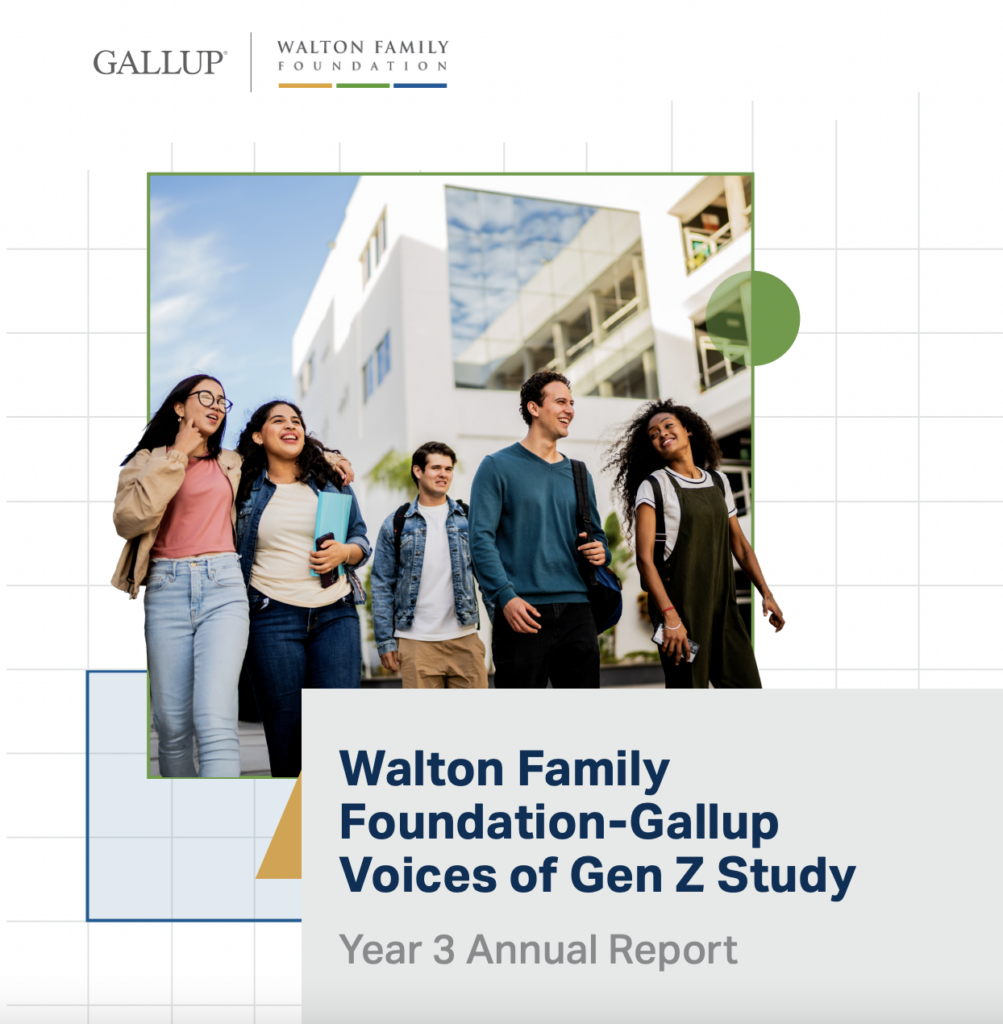
Walton FamilyFoundation‑GallupVoices of Gen Z Study: Year 3 Annual Report
This resource may be shared with proper attribution to the organization.
This resource may be shared with proper attribution to the organization.
The third installment of this annual survey series tracks the wellbeing, education, and future outlook of Generation Z, based on responses from nearly 3,800 13- to 28-year-olds. Key findings include a widening life-evaluation gap between Gen Z students and adults, record-high levels of classroom engagement, and persistent disparities linked to teacher quality and school experience. The report also examines reading habits, chronic absenteeism, cellphone policies in schools, and Gen Z's growing sense of preparedness for the future.

Community Resource
Career Ready Network
This resource may be shared with proper attribution to the organization.
This resource may be shared with proper attribution to the organization.
A unified directory of organizations and employers offering work-based learning opportunities—such as internships, job shadows, and apprenticeships— to help decision-makers find, compare, and connect with providers.
Research Report
Education at a Crossroads
This resource may be shared with proper attribution to the organization.
This resource may be shared with proper attribution to the organization.
High school graduates no longer see the traditional 4-year college pathway as their only postsecondary option, according to the latest research from YouScience®. This report contains insights into pathways students are choosing instead, where they turn for influence and guidance, and where there are opportunities for improvement. The report includes data and solutions for:
- Career and Technical Education (CTE) awareness.
- Post-graduation satisfaction.
- Educator/student interactions.
- Counselor impact.
- Aptitude discovery.
Research Report
Success Index: Misunderstanding the American Dream
This resource may be shared with proper attribution to the organization.
This resource may be shared with proper attribution to the organization.
The Success Index represents a private opinion survey of the American people’s personal definitions of success and the American Dream. It uses tools and methodologies that minimize distortions found in traditional public opinion polls to reveal not only what Americans prioritize most — and least — in a successful life, but also what they believe about other people’s priorities.
Book
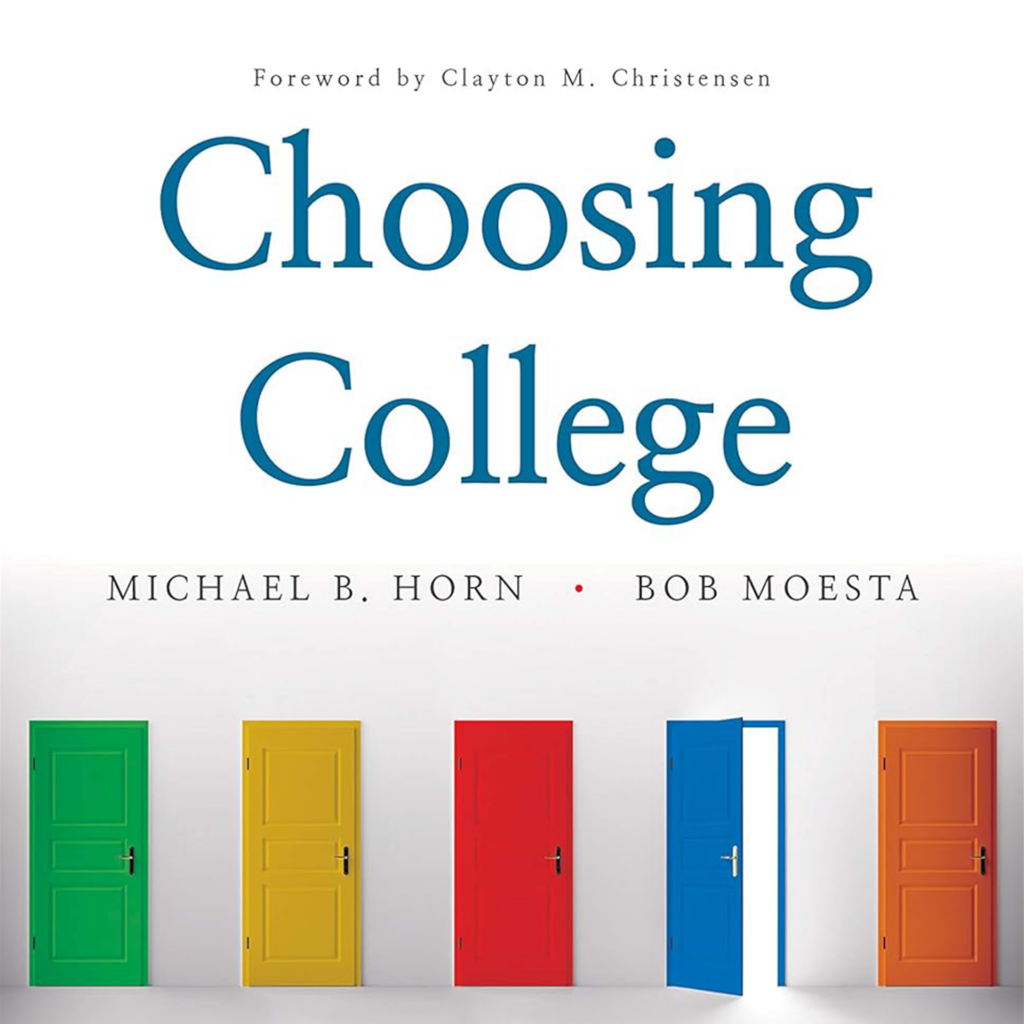
Choosing College
This resource may be shared with proper attribution to the organization.
This resource may be shared with proper attribution to the organization.
This report looks at how people make decisions regarding higher education through “Jobs-to-be-Done” theory which interrogates and exposes the real reasons people make personal choices, from buying a milk shake to make life-changing decisions. The analysis based on this theory, provides important insights, both for college-bound students and their families, but also institutions of higher education, many of which might be tooling themselves to perform the wrong job.
Research Report
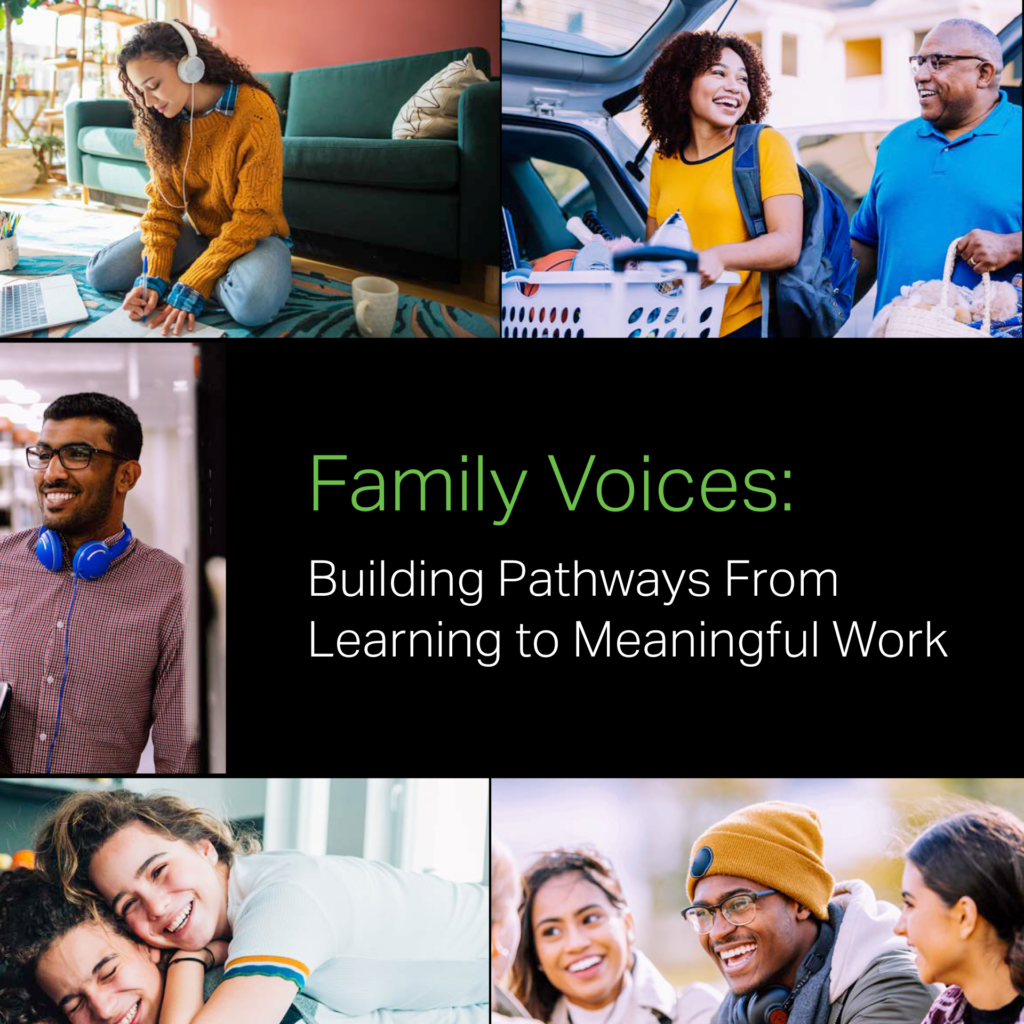
Family Voices
This resource may be shared with proper attribution to the organization.
This resource may be shared with proper attribution to the organization.
Faced with unprecedented change in the postsecondary landscape, America's families are wrestling with questions of college, careers, skills development and meaningful work. This study aimed to understand American parents' aspirations for their children after high school, as well as the barriers they face to following a preferred postsecondary path.
Research Report
Pathways Matter to Families: What Parents and Young Adults Believe and Want to Know About Education to Workforce Pathways
This resource may be shared with proper attribution to the organization.
This resource may be shared with proper attribution to the organization.
Pathways Matter to Families offers insights and actionable resources for students and families. The two complementary resources linked are informed by original research investigating what parents and young adults think and want to know about education-to-workforce pathways and experiences.
Research Report
Striving to Thrive
This resource may be shared with proper attribution to the organization.
This resource may be shared with proper attribution to the organization.
This is a set of research about how young people form their occupational identities. From 2018-2019, Equitable Futures gathered key insights from qualitative and quantitative research with over 4,000 young people on how they see themselves and the opportunities and challenges they anticipate in pursuing their career and life goals.
Research Report
The Features of Narratives: A Model of Narrative Form for Social Change Efforts
This resource may be shared with proper attribution to the organization.
This resource may be shared with proper attribution to the organization.
Calls for narrative change abound in social change work. But what kinds of patterns qualify as narratives, and how narratives are embedded within particular stories, remains hazy. This report introduces a model of narrative, defining the elements and identifying the patterns in stories that comprise the narrative form. Our model identifies a set of features that make up a narrative, offering a practical tool for those working to change narratives within and beyond the issue of poverty.
Research Report
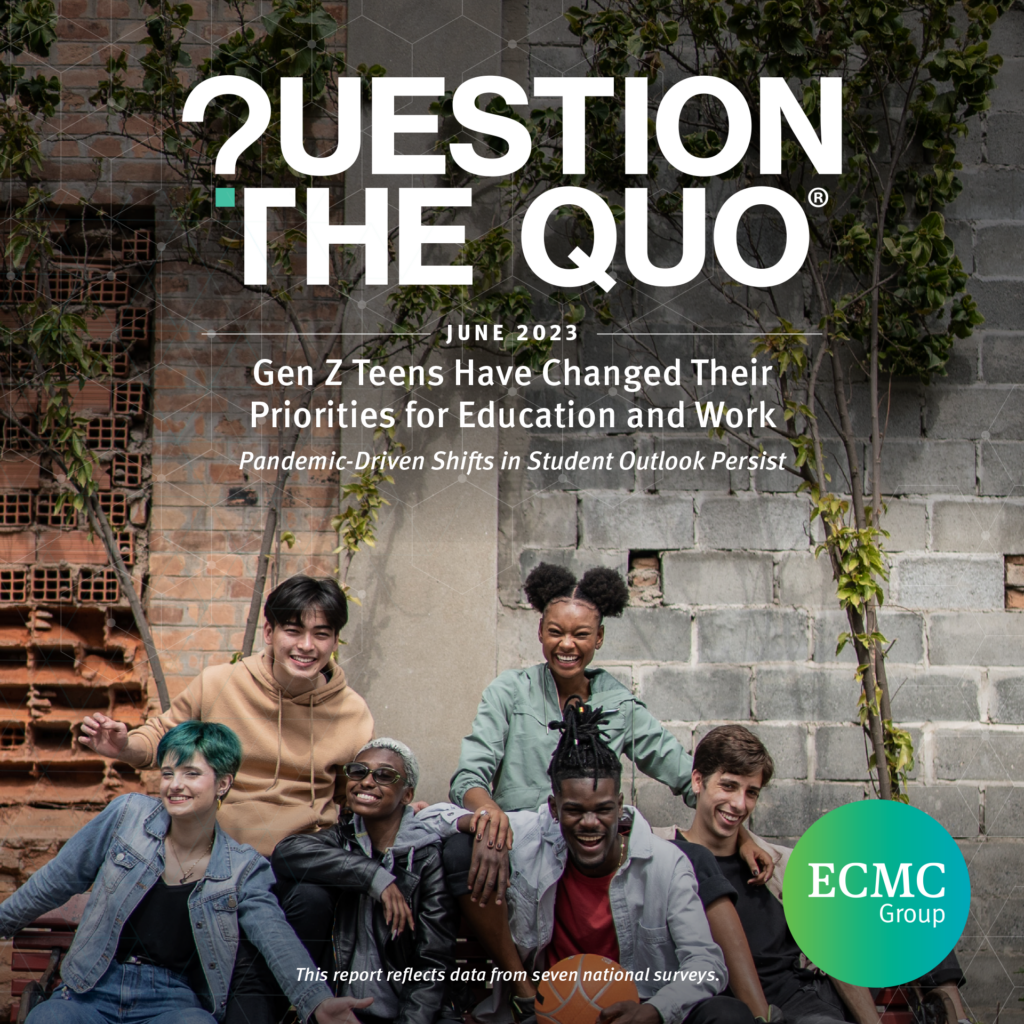
Question the Status Quo: Gen Z Teens Have Changed Their Priorities for Education and Work
This resource may be shared with proper attribution to the organization.
This resource may be shared with proper attribution to the organization.
Filters
Research Report
Walton FamilyFoundation‑GallupVoices of Gen Z Study: Year 3 Annual Report
This resource may be shared with proper attribution to the organization.
This resource may be shared with proper attribution to the organization.
The third installment of this annual survey series tracks the wellbeing, education, and future outlook of Generation Z, based on responses from nearly 3,800 13- to 28-year-olds. Key findings include a widening life-evaluation gap between Gen Z students and adults, record-high levels of classroom engagement, and persistent disparities linked to teacher quality and school experience. The report also examines reading habits, chronic absenteeism, cellphone policies in schools, and Gen Z's growing sense of preparedness for the future.
Community Resource
Career Ready Network
This resource may be shared with proper attribution to the organization.
This resource may be shared with proper attribution to the organization.
A unified directory of organizations and employers offering work-based learning opportunities—such as internships, job shadows, and apprenticeships— to help decision-makers find, compare, and connect with providers.
Research Report
Education at a Crossroads
This resource may be shared with proper attribution to the organization.
This resource may be shared with proper attribution to the organization.
High school graduates no longer see the traditional 4-year college pathway as their only postsecondary option, according to the latest research from YouScience®. This report contains insights into pathways students are choosing instead, where they turn for influence and guidance, and where there are opportunities for improvement. The report includes data and solutions for:
- Career and Technical Education (CTE) awareness.
- Post-graduation satisfaction.
- Educator/student interactions.
- Counselor impact.
- Aptitude discovery.
Research Report
Success Index: Misunderstanding the American Dream
This resource may be shared with proper attribution to the organization.
This resource may be shared with proper attribution to the organization.
The Success Index represents a private opinion survey of the American people’s personal definitions of success and the American Dream. It uses tools and methodologies that minimize distortions found in traditional public opinion polls to reveal not only what Americans prioritize most — and least — in a successful life, but also what they believe about other people’s priorities.
Book
Choosing College
This resource may be shared with proper attribution to the organization.
This resource may be shared with proper attribution to the organization.
This report looks at how people make decisions regarding higher education through “Jobs-to-be-Done” theory which interrogates and exposes the real reasons people make personal choices, from buying a milk shake to make life-changing decisions. The analysis based on this theory, provides important insights, both for college-bound students and their families, but also institutions of higher education, many of which might be tooling themselves to perform the wrong job.
Research Report
Family Voices
This resource may be shared with proper attribution to the organization.
This resource may be shared with proper attribution to the organization.
Faced with unprecedented change in the postsecondary landscape, America's families are wrestling with questions of college, careers, skills development and meaningful work. This study aimed to understand American parents' aspirations for their children after high school, as well as the barriers they face to following a preferred postsecondary path.
Research Report
Pathways Matter to Families: What Parents and Young Adults Believe and Want to Know About Education to Workforce Pathways
This resource may be shared with proper attribution to the organization.
This resource may be shared with proper attribution to the organization.
Pathways Matter to Families offers insights and actionable resources for students and families. The two complementary resources linked are informed by original research investigating what parents and young adults think and want to know about education-to-workforce pathways and experiences.
Research Report
Striving to Thrive
This resource may be shared with proper attribution to the organization.
This resource may be shared with proper attribution to the organization.
This is a set of research about how young people form their occupational identities. From 2018-2019, Equitable Futures gathered key insights from qualitative and quantitative research with over 4,000 young people on how they see themselves and the opportunities and challenges they anticipate in pursuing their career and life goals.
Research Report
The Features of Narratives: A Model of Narrative Form for Social Change Efforts
This resource may be shared with proper attribution to the organization.
This resource may be shared with proper attribution to the organization.
Calls for narrative change abound in social change work. But what kinds of patterns qualify as narratives, and how narratives are embedded within particular stories, remains hazy. This report introduces a model of narrative, defining the elements and identifying the patterns in stories that comprise the narrative form. Our model identifies a set of features that make up a narrative, offering a practical tool for those working to change narratives within and beyond the issue of poverty.
Research Report
Question the Status Quo: Gen Z Teens Have Changed Their Priorities for Education and Work
This resource may be shared with proper attribution to the organization.
This resource may be shared with proper attribution to the organization.