Pathways Resource Library
Tools to help people understand their options
Explore messaging, research, and resources from across the field—along with customizable, white-label tools that you can adapt, brand as your own, and use in your organization’s communications—to help you reach key audiences with language that builds confidence and expands what’s possible.
Playbook or Guidebook
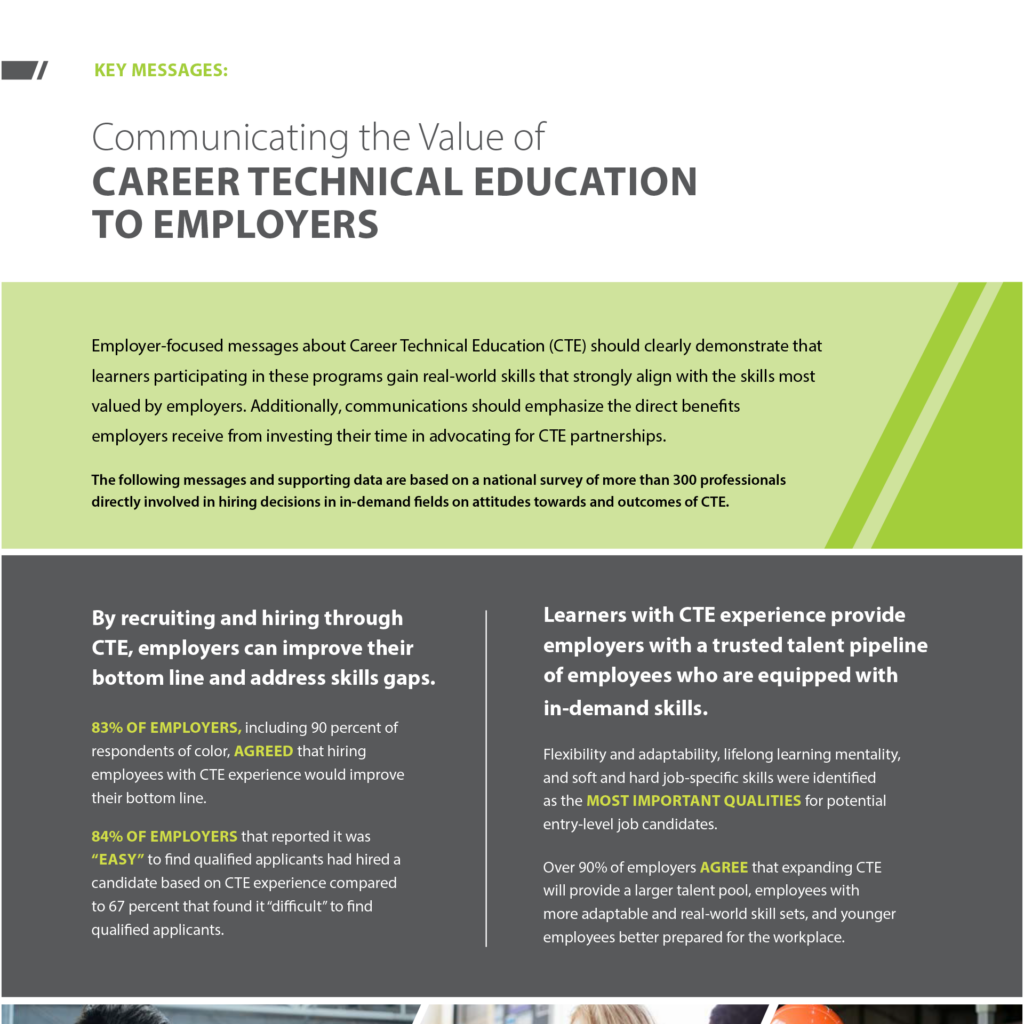
Shifting the Skills Conversation: Employer Attitudes on and Outcomes for Career Technical Education
This resource may be shared with proper attribution to the organization.
This resource may be shared with proper attribution to the organization.
Shifting the Skills Conversation: Employer Attitudes and Outcomes of Career Technical Education provides tangible data points on employer attitudes toward Career Technical Education (CTE) and the positive return on investment CTE experiences provide for business and economic growth. Based on a national survey of more than 300 professionals actively involved in hiring decisions in in-demand fields, these new findings demonstrate that employers strongly support and see direct value in CTE. The findings also indicate that employer recognition and support for skills-focused hiring is growing and that employers back a greater public investment in CTE programs and supports
Toolkit
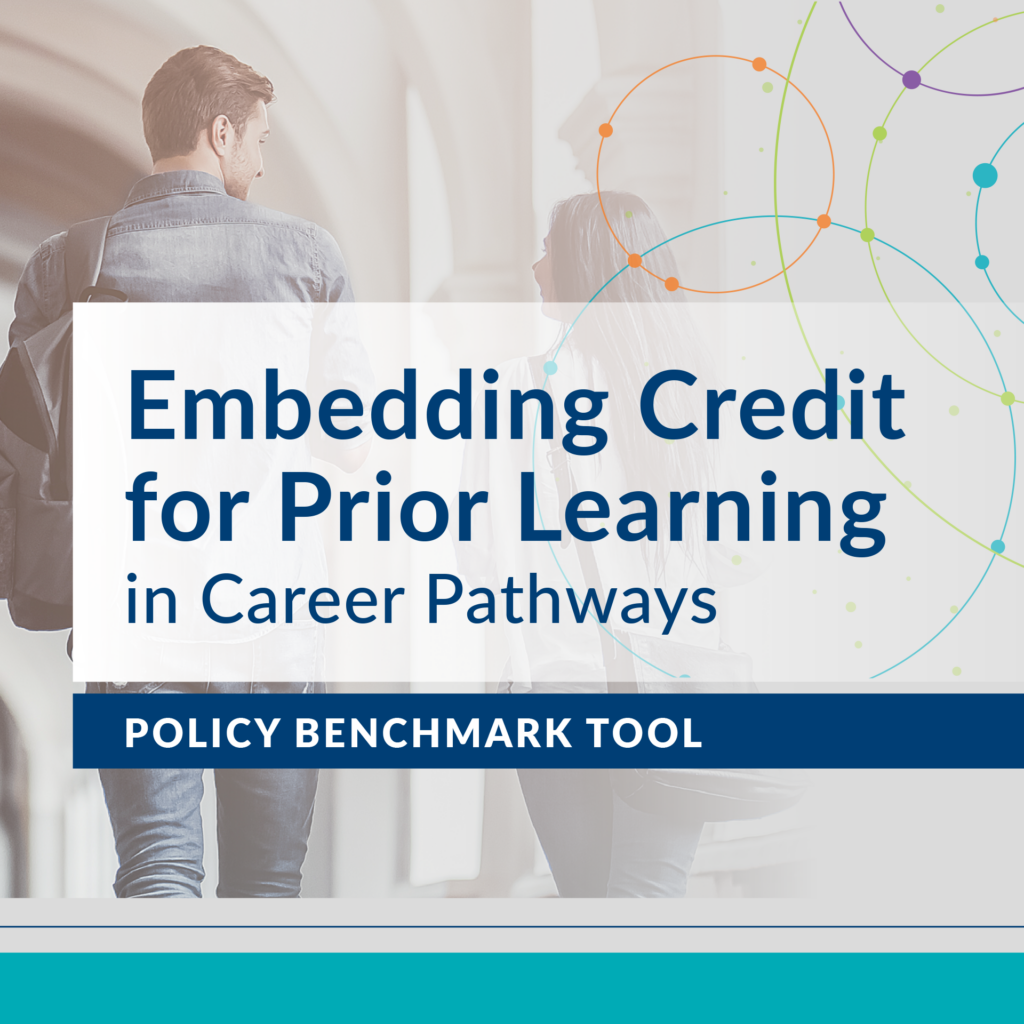
Credit for Prior Learning Messaging Toolkit
This resource may be shared with proper attribution to the organization.
This resource may be shared with proper attribution to the organization.
This toolkit provides effective messages targeted to key audiences and strategies for dissemination to increase participation in Credit for Prior Learning among adult learners who are pursuing career pathways and CTE programs of study that lead to jobs in in-demand fields.
Toolkit
Communicating the Value of Apprenticeships
This resource may be shared with proper attribution to the organization.
This resource may be shared with proper attribution to the organization.
This short tool offers persuasive arguments that shows how youth apprenticeships benefit both young career seekers and businesses alike. For employers, it demonstrates how apprenticeships can fill labor gaps across industries, and act as a reliable source of nationally credentialed, ready-to-work job candidates. Youth are offered access to paid work-based training in high-growth fields and the significant earnings potential.
Research Report
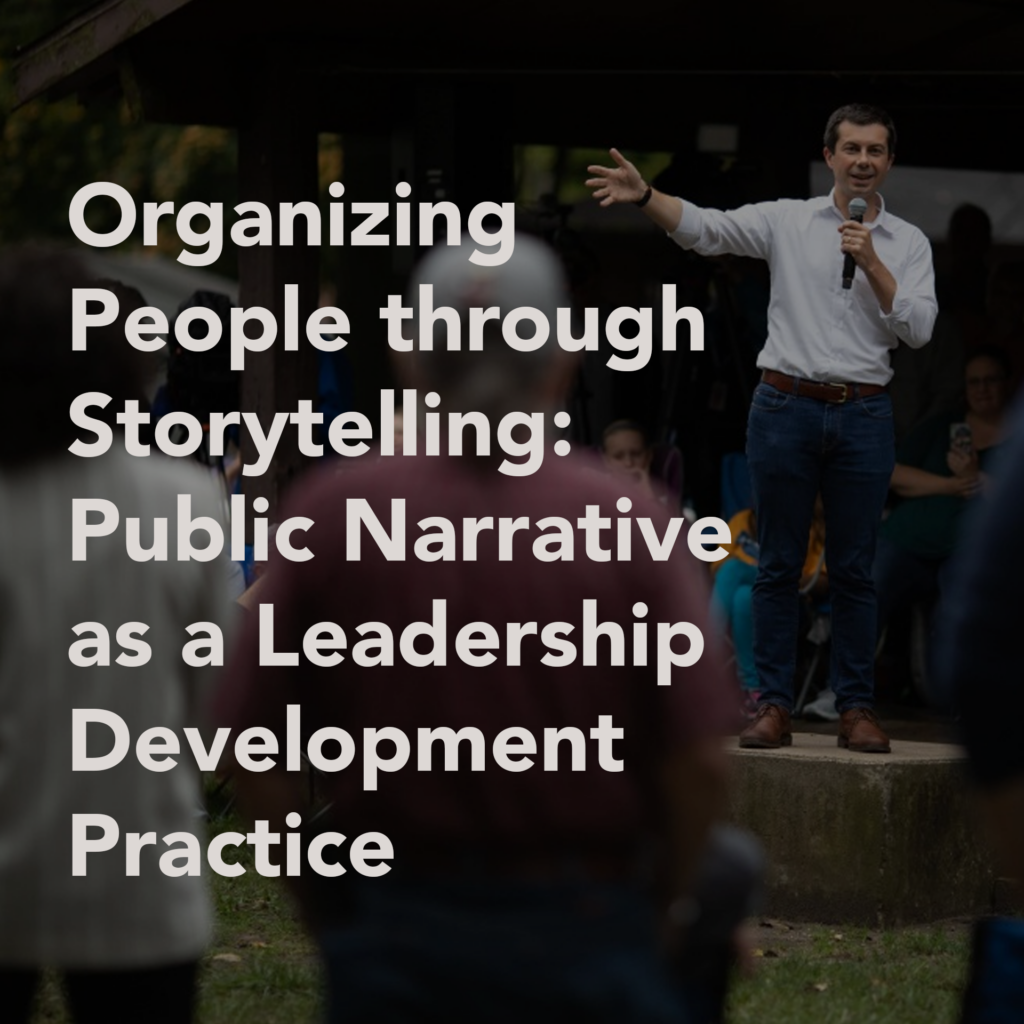
Organizing People through Storytelling: Public Narrative as a Leadership Development Practice
This resource may be shared with proper attribution to the organization.
This resource may be shared with proper attribution to the organization.
The study supported by the Bloomberg Harvard City Leadership Initiative proposes “public narrative” as a key form of leadership development in organizations and communities. This report raises a set of 'Action Insights' on how to use public narrative to organize people through storytelling.
Playbook or Guidebook
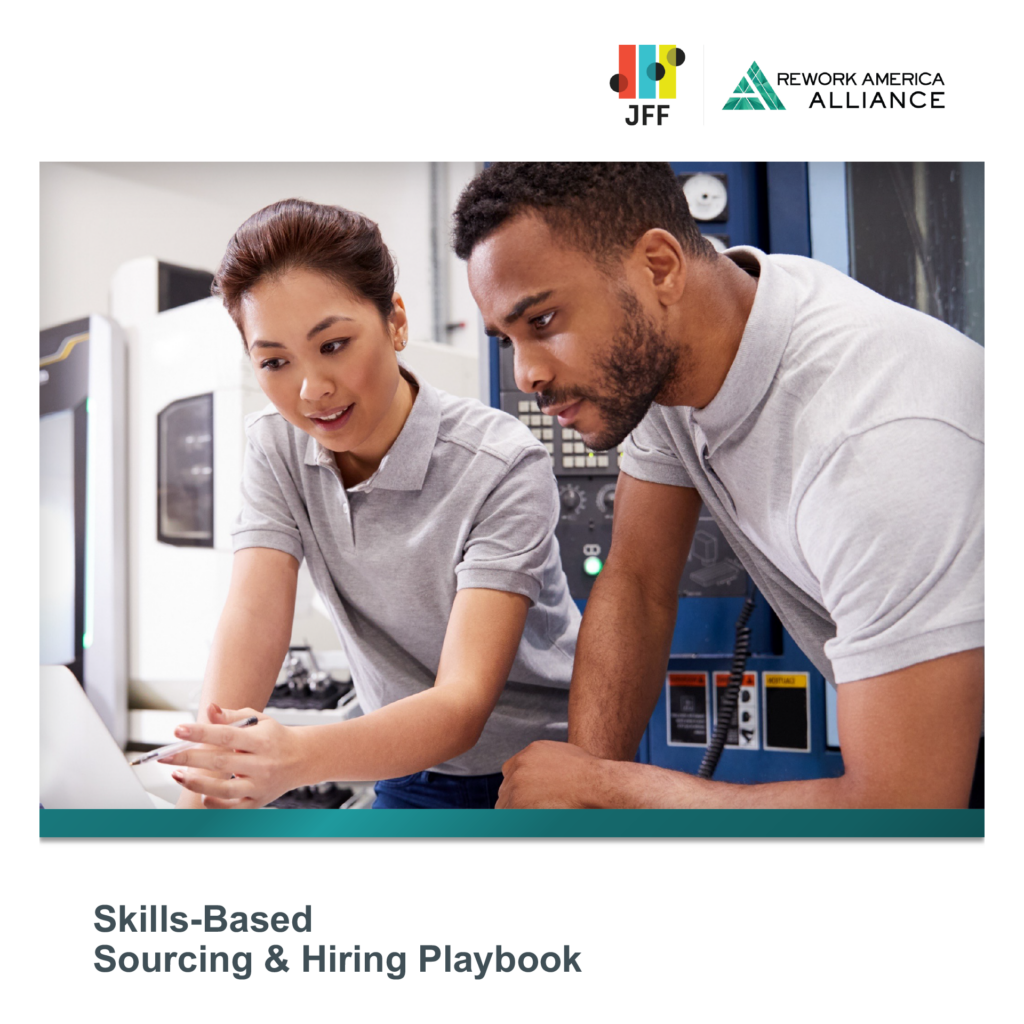
Skills-Based Sourcing and Hiring Playbook
This resource may be shared with proper attribution to the organization.
This resource may be shared with proper attribution to the organization.
This playbook is a step-by-step guide to implementing more equitable and effective approaches to employee recruiting, hiring, and advancement by embracing skills-first talent management practices.

Research Report
Lumina State of Higher Education
This resource may be shared with proper attribution to the organization.
This resource may be shared with proper attribution to the organization.
Gallup and Lumina Foundation conducted a report studying the most pressing issues facing higher education. Insights cover U.S. adults' interest in pursuing higher education, what's keeping them from enrolling and what's causing currently enrolled students to consider stopping out.

Article
How does Gen Z see its place in the working world? With trepidation
This resource may be shared with proper attribution to the organization.
This resource may be shared with proper attribution to the organization.
The purpose of the report is to explore and highlight the unique challenges and perceptions of Generation Z as they enter the workforce amid various global crises. It presents data from McKinsey's American Opportunity Survey, revealing Gen Z's higher likelihood of working multiple jobs, financial insecurity, mental health struggles, and pessimism about economic milestones like homeownership and retirement. The report aims to inform employers and other stakeholders about these generational differences to better support Gen Z in the workplace and address their specific needs and concerns.

Playbook or Guidebook
Making the Case
This resource may be shared with proper attribution to the organization.
This resource may be shared with proper attribution to the organization.
This playbook gives people in the learn-and-work ecosystem key information they can use to make the case for incremental credentialing. Case-making requires different information for various audiences, including the campus community, employers and industry partners, funders, learners, and policymakers. The playbook covers: How to define incremental credentialing and incremental credentials, the benefits of incremental credentialing to various constituencies, and the four factors driving the case for incremental credentialing.
Toolkit
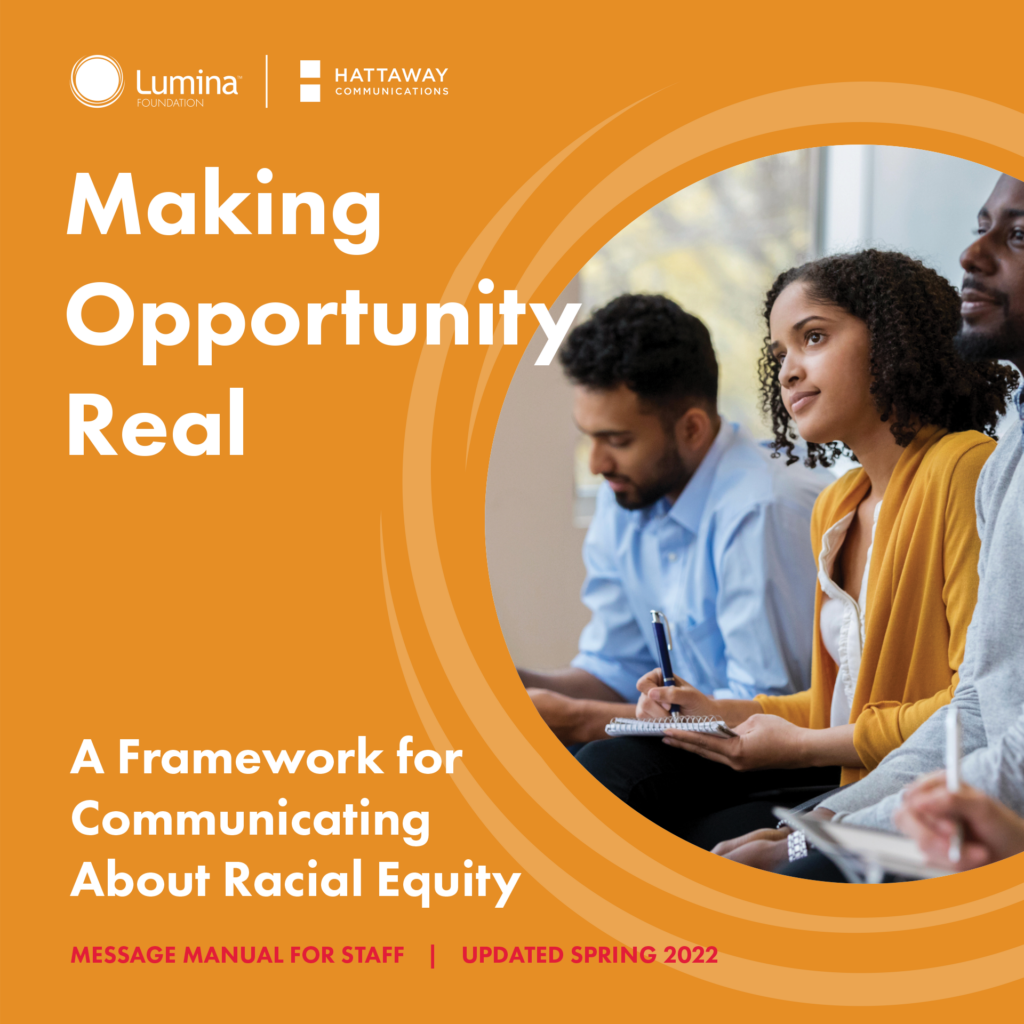
Making Opportunity Real: A Framework for Communicating About Racial Justice
This resource may be shared with proper attribution to the organization.
This resource may be shared with proper attribution to the organization.
This Message Manual contains research-based language and guidance for anyone communicating about racial justice and equity in education. The manual introduces a Racial Justice and Racial Equity Frame that provides guidance for communicating about justice and equity in aspirational ways that move beyond buzzwords and invite new audiences into the conversation. The guide provides research-tested language and specific examples of how to apply the frame when sharing data, crafting story-driven content, and tailoring messages for different audiences.
Filters
Playbook or Guidebook
Shifting the Skills Conversation: Employer Attitudes on and Outcomes for Career Technical Education
This resource may be shared with proper attribution to the organization.
This resource may be shared with proper attribution to the organization.
Shifting the Skills Conversation: Employer Attitudes and Outcomes of Career Technical Education provides tangible data points on employer attitudes toward Career Technical Education (CTE) and the positive return on investment CTE experiences provide for business and economic growth. Based on a national survey of more than 300 professionals actively involved in hiring decisions in in-demand fields, these new findings demonstrate that employers strongly support and see direct value in CTE. The findings also indicate that employer recognition and support for skills-focused hiring is growing and that employers back a greater public investment in CTE programs and supports
Toolkit
Credit for Prior Learning Messaging Toolkit
This resource may be shared with proper attribution to the organization.
This resource may be shared with proper attribution to the organization.
This toolkit provides effective messages targeted to key audiences and strategies for dissemination to increase participation in Credit for Prior Learning among adult learners who are pursuing career pathways and CTE programs of study that lead to jobs in in-demand fields.
Toolkit
Communicating the Value of Apprenticeships
This resource may be shared with proper attribution to the organization.
This resource may be shared with proper attribution to the organization.
This short tool offers persuasive arguments that shows how youth apprenticeships benefit both young career seekers and businesses alike. For employers, it demonstrates how apprenticeships can fill labor gaps across industries, and act as a reliable source of nationally credentialed, ready-to-work job candidates. Youth are offered access to paid work-based training in high-growth fields and the significant earnings potential.
Research Report
Organizing People through Storytelling: Public Narrative as a Leadership Development Practice
This resource may be shared with proper attribution to the organization.
This resource may be shared with proper attribution to the organization.
The study supported by the Bloomberg Harvard City Leadership Initiative proposes “public narrative” as a key form of leadership development in organizations and communities. This report raises a set of 'Action Insights' on how to use public narrative to organize people through storytelling.
Playbook or Guidebook
Skills-Based Sourcing and Hiring Playbook
This resource may be shared with proper attribution to the organization.
This resource may be shared with proper attribution to the organization.
This playbook is a step-by-step guide to implementing more equitable and effective approaches to employee recruiting, hiring, and advancement by embracing skills-first talent management practices.
Research Report
Lumina State of Higher Education
This resource may be shared with proper attribution to the organization.
This resource may be shared with proper attribution to the organization.
Gallup and Lumina Foundation conducted a report studying the most pressing issues facing higher education. Insights cover U.S. adults' interest in pursuing higher education, what's keeping them from enrolling and what's causing currently enrolled students to consider stopping out.
Article
How does Gen Z see its place in the working world? With trepidation
This resource may be shared with proper attribution to the organization.
This resource may be shared with proper attribution to the organization.
The purpose of the report is to explore and highlight the unique challenges and perceptions of Generation Z as they enter the workforce amid various global crises. It presents data from McKinsey's American Opportunity Survey, revealing Gen Z's higher likelihood of working multiple jobs, financial insecurity, mental health struggles, and pessimism about economic milestones like homeownership and retirement. The report aims to inform employers and other stakeholders about these generational differences to better support Gen Z in the workplace and address their specific needs and concerns.
Playbook or Guidebook
Making the Case
This resource may be shared with proper attribution to the organization.
This resource may be shared with proper attribution to the organization.
This playbook gives people in the learn-and-work ecosystem key information they can use to make the case for incremental credentialing. Case-making requires different information for various audiences, including the campus community, employers and industry partners, funders, learners, and policymakers. The playbook covers: How to define incremental credentialing and incremental credentials, the benefits of incremental credentialing to various constituencies, and the four factors driving the case for incremental credentialing.
Toolkit
Making Opportunity Real: A Framework for Communicating About Racial Justice
This resource may be shared with proper attribution to the organization.
This resource may be shared with proper attribution to the organization.
This Message Manual contains research-based language and guidance for anyone communicating about racial justice and equity in education. The manual introduces a Racial Justice and Racial Equity Frame that provides guidance for communicating about justice and equity in aspirational ways that move beyond buzzwords and invite new audiences into the conversation. The guide provides research-tested language and specific examples of how to apply the frame when sharing data, crafting story-driven content, and tailoring messages for different audiences.