Pathways Resource Library
Tools to help people understand their options
Explore messaging, research, and resources from across the field—along with customizable, white-label tools that you can adapt, brand as your own, and use in your organization’s communications—to help you reach key audiences with language that builds confidence and expands what’s possible.
Playbook or Guidebook
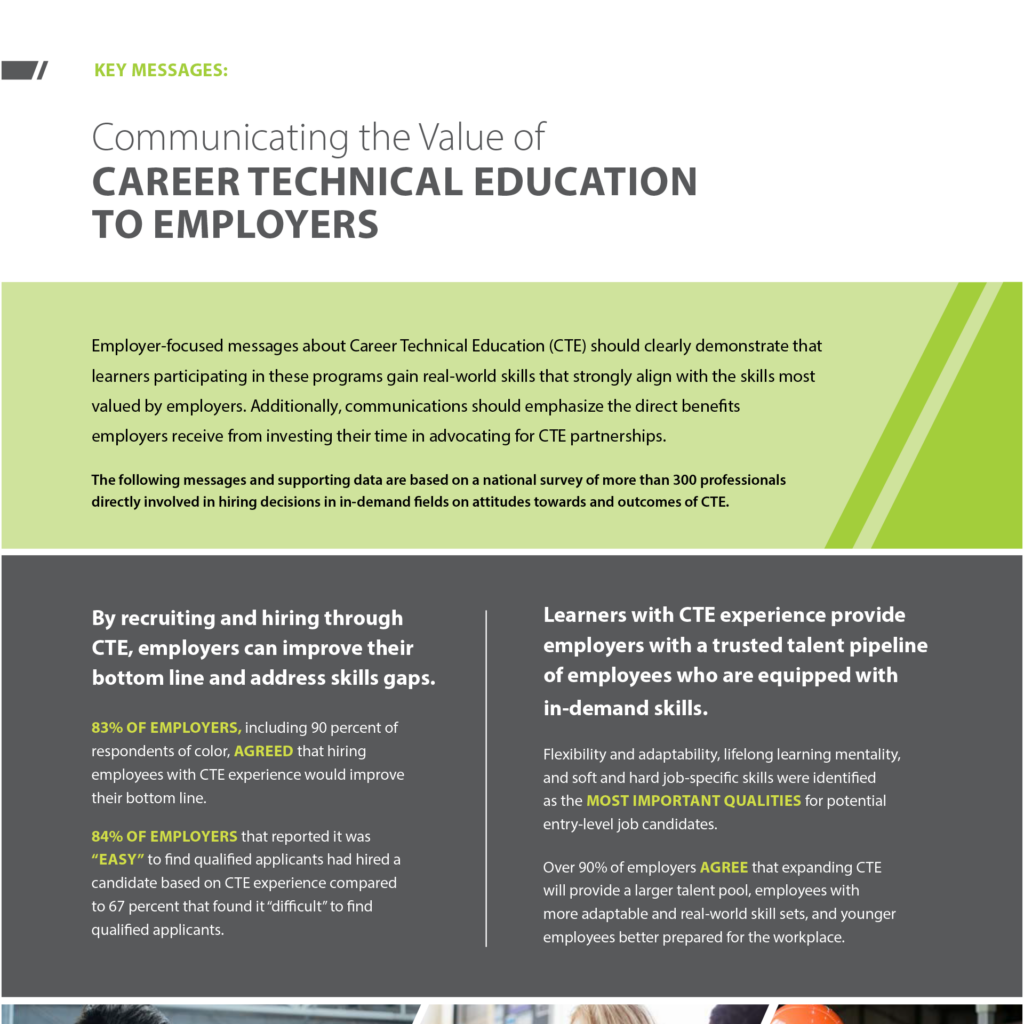
Shifting the Skills Conversation: Employer Attitudes on and Outcomes for Career Technical Education
This resource may be shared with proper attribution to the organization.
This resource may be shared with proper attribution to the organization.
Shifting the Skills Conversation: Employer Attitudes and Outcomes of Career Technical Education provides tangible data points on employer attitudes toward Career Technical Education (CTE) and the positive return on investment CTE experiences provide for business and economic growth. Based on a national survey of more than 300 professionals actively involved in hiring decisions in in-demand fields, these new findings demonstrate that employers strongly support and see direct value in CTE. The findings also indicate that employer recognition and support for skills-focused hiring is growing and that employers back a greater public investment in CTE programs and supports
Research Report
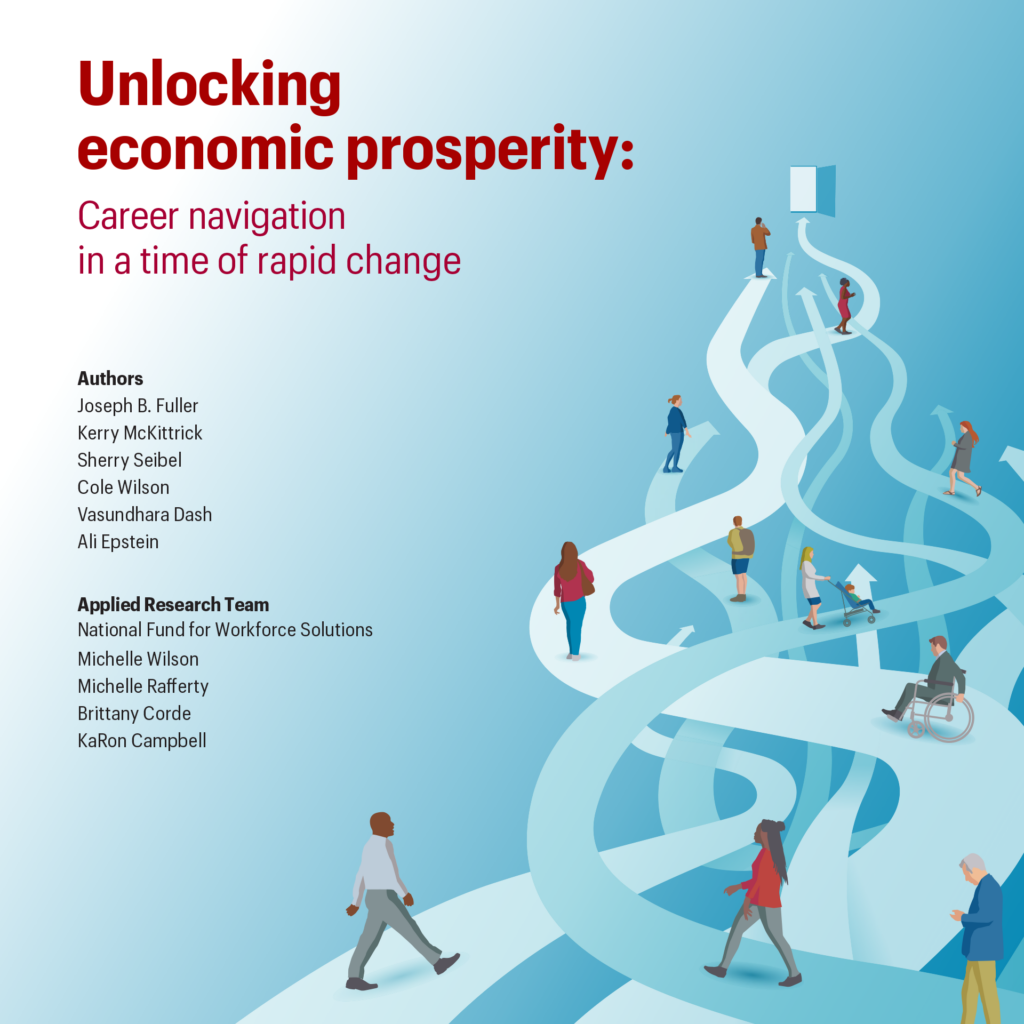
Unlocking Economic Prosperity
This resource may be shared with proper attribution to the organization.
This resource may be shared with proper attribution to the organization.
Research Report
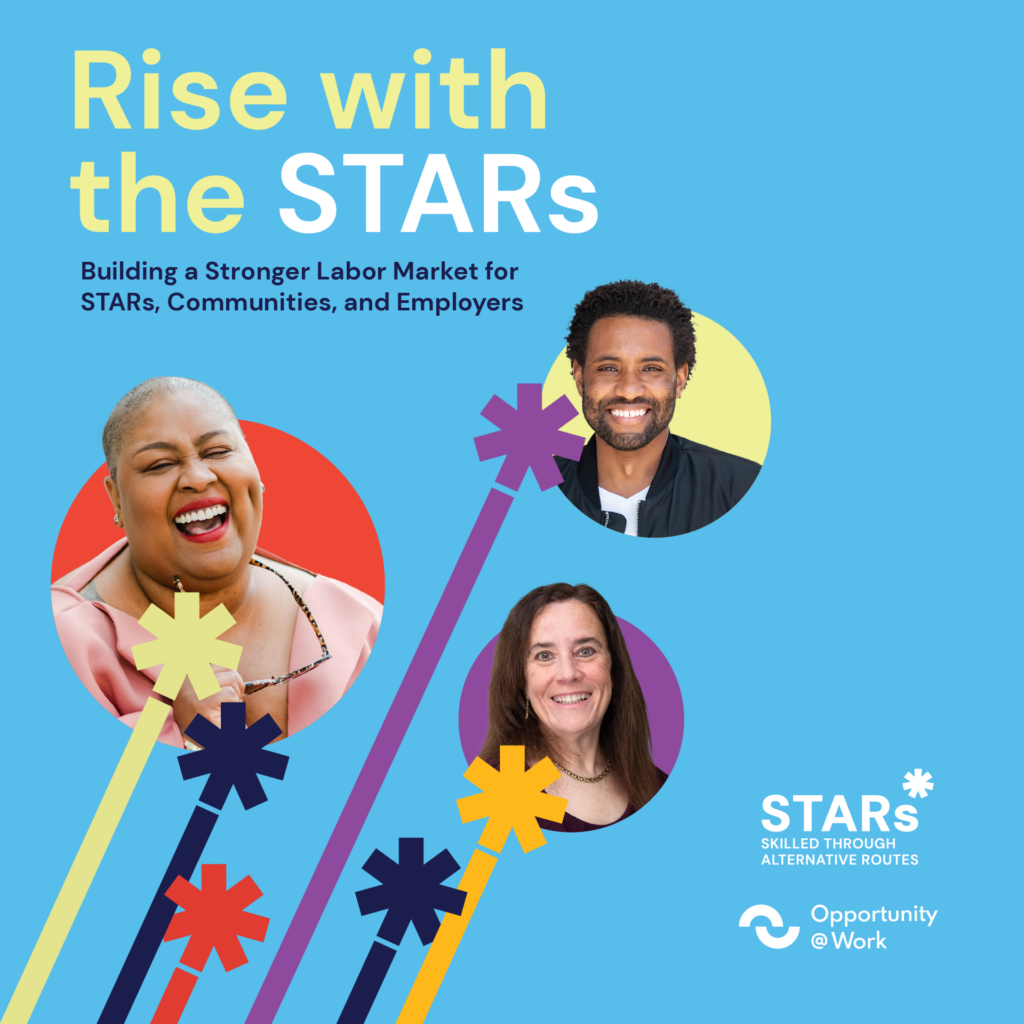
Rise with the STARs: Building a stronger labor market for STARs, communities, and employers
This resource may be shared with proper attribution to the organization.
This resource may be shared with proper attribution to the organization.
Opportunity@Work's report, Rise with the STARs: Building a Stronger Labor Market for STARs, Communities, and Employers, shows the impact of degree discrimination on employers and STARs and identifies a better path forward for everyone.
Research Report
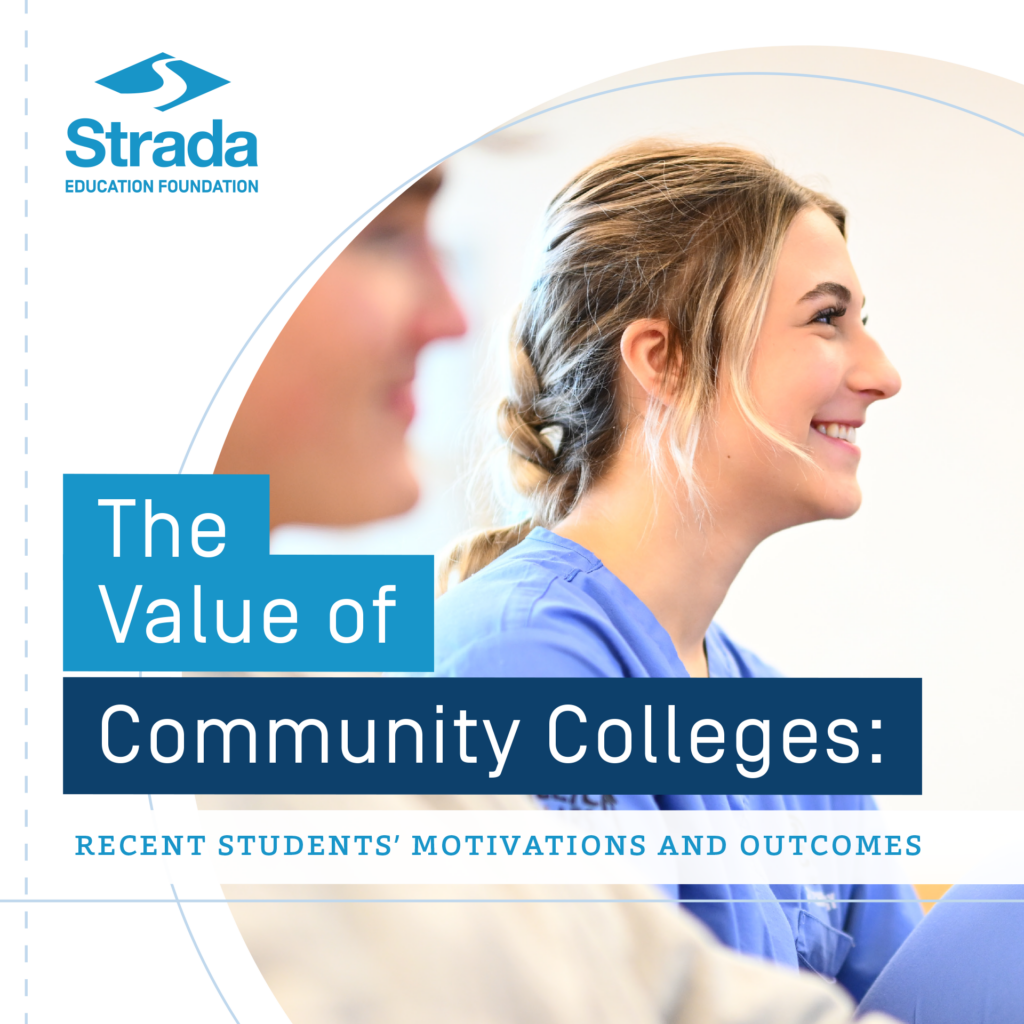
The Value of Community Colleges: Recent Students’ Motivations and Outcomes
This resource may be shared with proper attribution to the organization.
This resource may be shared with proper attribution to the organization.
This study offers new insights about value community colleges provide and the range of needs that they serve. It examines recent community college students' motivations for enrolling, and their self-reported perceptions of the value of their education and training experiences, and the degree to which they acheived their goals for enrolling.

Article
How does Gen Z see its place in the working world? With trepidation
This resource may be shared with proper attribution to the organization.
This resource may be shared with proper attribution to the organization.
The purpose of the report is to explore and highlight the unique challenges and perceptions of Generation Z as they enter the workforce amid various global crises. It presents data from McKinsey's American Opportunity Survey, revealing Gen Z's higher likelihood of working multiple jobs, financial insecurity, mental health struggles, and pessimism about economic milestones like homeownership and retirement. The report aims to inform employers and other stakeholders about these generational differences to better support Gen Z in the workplace and address their specific needs and concerns.
Narrative Framework
Framework for the Design and Implementation of College and Career Pathways in Rural Communities
This resource may be shared with proper attribution to the organization.
This resource may be shared with proper attribution to the organization.
Pathways that respond to the unique needs of—and opportunities in—rural communities are a critical strategy to support youth and advance economic development. This framework outlines key considerations and promising strategies for pathways leaders who seek to achieve equitable outcomes for youth while strengthening rural communities.

Toolkit
Communications Toolkit: Postsecondary Pathways and The Shifting American Economy.
This resource may be shared with proper attribution to the organization.
This resource may be shared with proper attribution to the organization.
A toolkit communicating pathways with students and families. it includes: a) how different pathways can look like; b) how pathway career ladder can look like; c) how pathway support systems can look like.
Research Report
Family Voices
This resource may be shared with proper attribution to the organization.
This resource may be shared with proper attribution to the organization.
Faced with unprecedented change in the postsecondary landscape, America's families are wrestling with questions of college, careers, skills development and meaningful work. This study aimed to understand American parents' aspirations for their children after high school, as well as the barriers they face to following a preferred postsecondary path.
Article
What it will take to change the narrative about career education
This resource may be shared with proper attribution to the organization.
This resource may be shared with proper attribution to the organization.
The article discusses the growing issue of young Americans aged 18-24 not engaging in college or work, exacerbated by the pandemic. Despite high job vacancies, there's skepticism toward non-college education and job-training programs. The article highlights policy recommendations to integrate workforce training and higher education, stressing that both traditional and non-degree credentials are essential for economic mobility. The purpose is to advocate for a broader, more inclusive approach to postsecondary education and workforce training, aiming to enhance economic opportunities for all.
Filters
Playbook or Guidebook
Shifting the Skills Conversation: Employer Attitudes on and Outcomes for Career Technical Education
This resource may be shared with proper attribution to the organization.
This resource may be shared with proper attribution to the organization.
Shifting the Skills Conversation: Employer Attitudes and Outcomes of Career Technical Education provides tangible data points on employer attitudes toward Career Technical Education (CTE) and the positive return on investment CTE experiences provide for business and economic growth. Based on a national survey of more than 300 professionals actively involved in hiring decisions in in-demand fields, these new findings demonstrate that employers strongly support and see direct value in CTE. The findings also indicate that employer recognition and support for skills-focused hiring is growing and that employers back a greater public investment in CTE programs and supports
Research Report
Unlocking Economic Prosperity
This resource may be shared with proper attribution to the organization.
This resource may be shared with proper attribution to the organization.
Research Report
Rise with the STARs: Building a stronger labor market for STARs, communities, and employers
This resource may be shared with proper attribution to the organization.
This resource may be shared with proper attribution to the organization.
Opportunity@Work's report, Rise with the STARs: Building a Stronger Labor Market for STARs, Communities, and Employers, shows the impact of degree discrimination on employers and STARs and identifies a better path forward for everyone.
Research Report
The Value of Community Colleges: Recent Students’ Motivations and Outcomes
This resource may be shared with proper attribution to the organization.
This resource may be shared with proper attribution to the organization.
This study offers new insights about value community colleges provide and the range of needs that they serve. It examines recent community college students' motivations for enrolling, and their self-reported perceptions of the value of their education and training experiences, and the degree to which they acheived their goals for enrolling.
Article
How does Gen Z see its place in the working world? With trepidation
This resource may be shared with proper attribution to the organization.
This resource may be shared with proper attribution to the organization.
The purpose of the report is to explore and highlight the unique challenges and perceptions of Generation Z as they enter the workforce amid various global crises. It presents data from McKinsey's American Opportunity Survey, revealing Gen Z's higher likelihood of working multiple jobs, financial insecurity, mental health struggles, and pessimism about economic milestones like homeownership and retirement. The report aims to inform employers and other stakeholders about these generational differences to better support Gen Z in the workplace and address their specific needs and concerns.
Narrative Framework
Framework for the Design and Implementation of College and Career Pathways in Rural Communities
This resource may be shared with proper attribution to the organization.
This resource may be shared with proper attribution to the organization.
Pathways that respond to the unique needs of—and opportunities in—rural communities are a critical strategy to support youth and advance economic development. This framework outlines key considerations and promising strategies for pathways leaders who seek to achieve equitable outcomes for youth while strengthening rural communities.
Toolkit
Communications Toolkit: Postsecondary Pathways and The Shifting American Economy.
This resource may be shared with proper attribution to the organization.
This resource may be shared with proper attribution to the organization.
A toolkit communicating pathways with students and families. it includes: a) how different pathways can look like; b) how pathway career ladder can look like; c) how pathway support systems can look like.
Research Report
Family Voices
This resource may be shared with proper attribution to the organization.
This resource may be shared with proper attribution to the organization.
Faced with unprecedented change in the postsecondary landscape, America's families are wrestling with questions of college, careers, skills development and meaningful work. This study aimed to understand American parents' aspirations for their children after high school, as well as the barriers they face to following a preferred postsecondary path.
Article
What it will take to change the narrative about career education
This resource may be shared with proper attribution to the organization.
This resource may be shared with proper attribution to the organization.
The article discusses the growing issue of young Americans aged 18-24 not engaging in college or work, exacerbated by the pandemic. Despite high job vacancies, there's skepticism toward non-college education and job-training programs. The article highlights policy recommendations to integrate workforce training and higher education, stressing that both traditional and non-degree credentials are essential for economic mobility. The purpose is to advocate for a broader, more inclusive approach to postsecondary education and workforce training, aiming to enhance economic opportunities for all.