Degree
Research Report
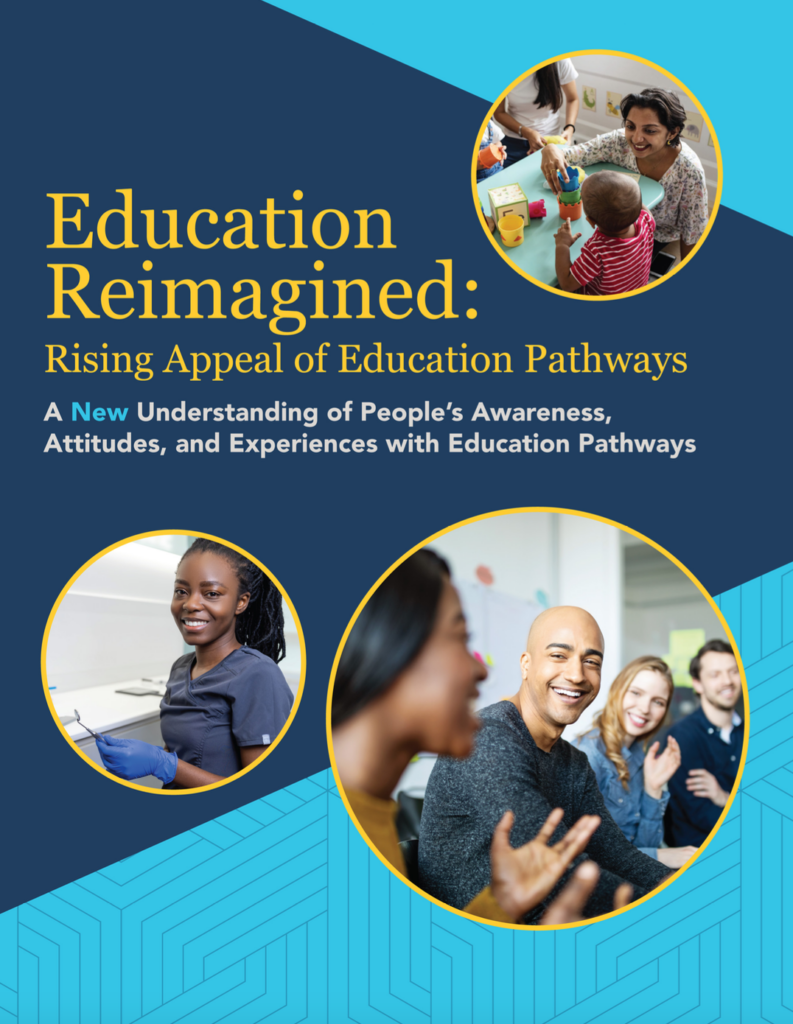
Education Reimagined: Rising Appeal of Education Pathways
This is a white-label resource available for unrestricted use.
This is a white-label resource available for unrestricted use.
This research report presents in-depth findings from a national study conducted by Hattaway Communications on behalf of the Pathways and Workforce Funders Group (PWF). The report explores how learners, parents, and employers understand and experience non-degree education pathways. Drawing on survey data from more than 3,000 participants—including high school students, young adults, parents, and hiring managers—it offers a comprehensive look at attitudes toward education and career training options beyond a four-year degree.
The findings reveal widespread support for pathways programs, shared motivations across audiences, and critical gaps in perceived accessibility, language, and relevance. The report also identifies communication challenges and provides actionable recommendations for practitioners, funders, and advocates to strengthen messaging, improve access, and increase enrollment.
Infographics
Opportunity@Work Tool: Infographics
This resource may be shared with proper attribution to the organization.
This resource may be shared with proper attribution to the organization.
Infographics demonstrating degree inflation, which caused labor shortage and opportunity gap. This can be used to talk with employers and government about the importance of skill-based hiring.
Book
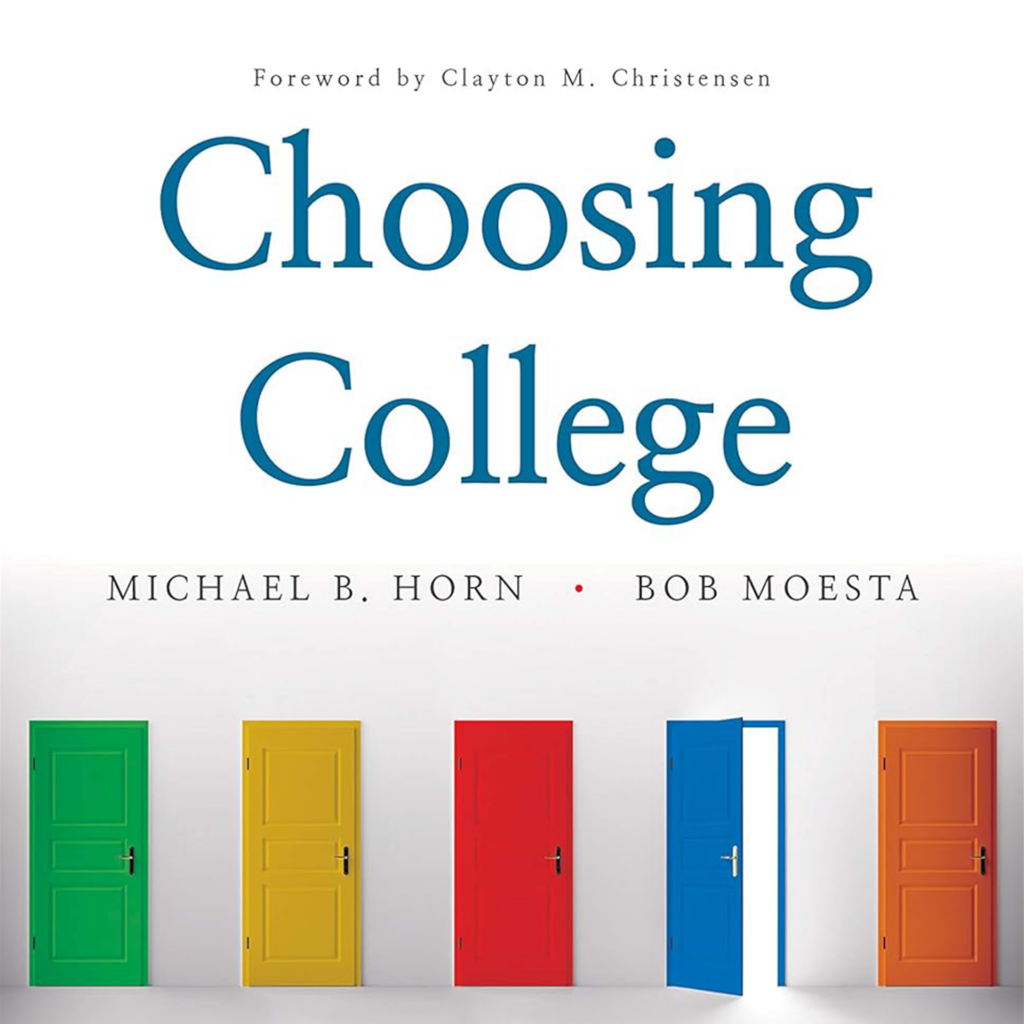
Choosing College
This resource may be shared with proper attribution to the organization.
This resource may be shared with proper attribution to the organization.
This report looks at how people make decisions regarding higher education through “Jobs-to-be-Done” theory which interrogates and exposes the real reasons people make personal choices, from buying a milk shake to make life-changing decisions. The analysis based on this theory, provides important insights, both for college-bound students and their families, but also institutions of higher education, many of which might be tooling themselves to perform the wrong job.
Research Report
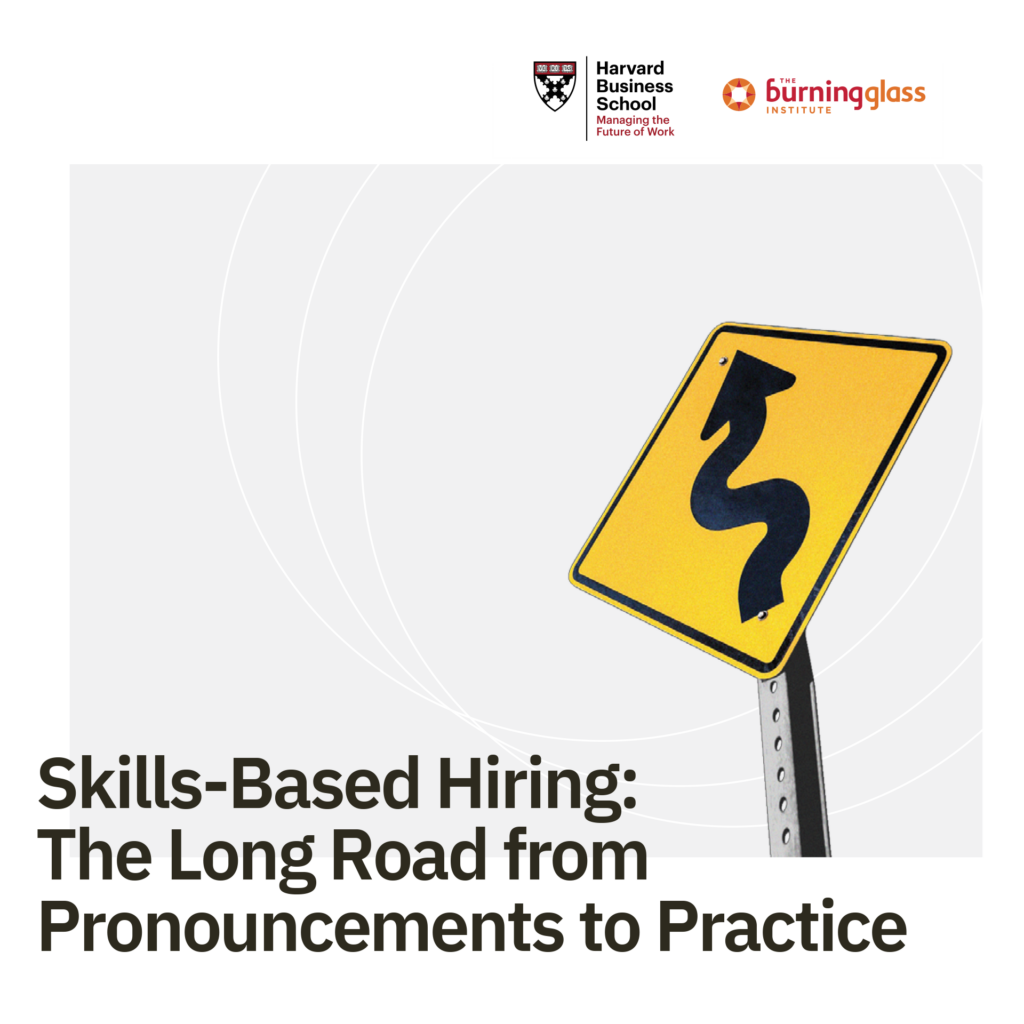
Skills-Based Hiring
This resource may be shared with proper attribution to the organization.
This resource may be shared with proper attribution to the organization.
While headlines trumpet the demise of the college degree, this joint report with Harvard Business School Project on Managing the Future of Work reveals a different reality. Many companies have announced dropping degree requirements, but sustained hiring changes remain elusive for most. This report identifies where the reality of skills-based hiring might be lagging well-meaning ambitions, and shows which companies are getting it right.
White Paper
Degrees of Risk: What Gen Z and Employers Think About Education-to-Career Pathways… and How Those Views are Changing
This resource may be shared with proper attribution to the organization.
This resource may be shared with proper attribution to the organization.
This is an examination of what is required to make a person employable, as well as what professional and educational success looks like. This study was commissioned by American Student Assistance (ASA) and Jobs for the Future (JFF). The research aimed to understand current familiarity with and perceptions of non-degree postsecondary pathways from both Gen Z and employer perspectives. This paper also makes recommendations for the way forward to expand high-quality postsecondary options for all learners.
White Paper
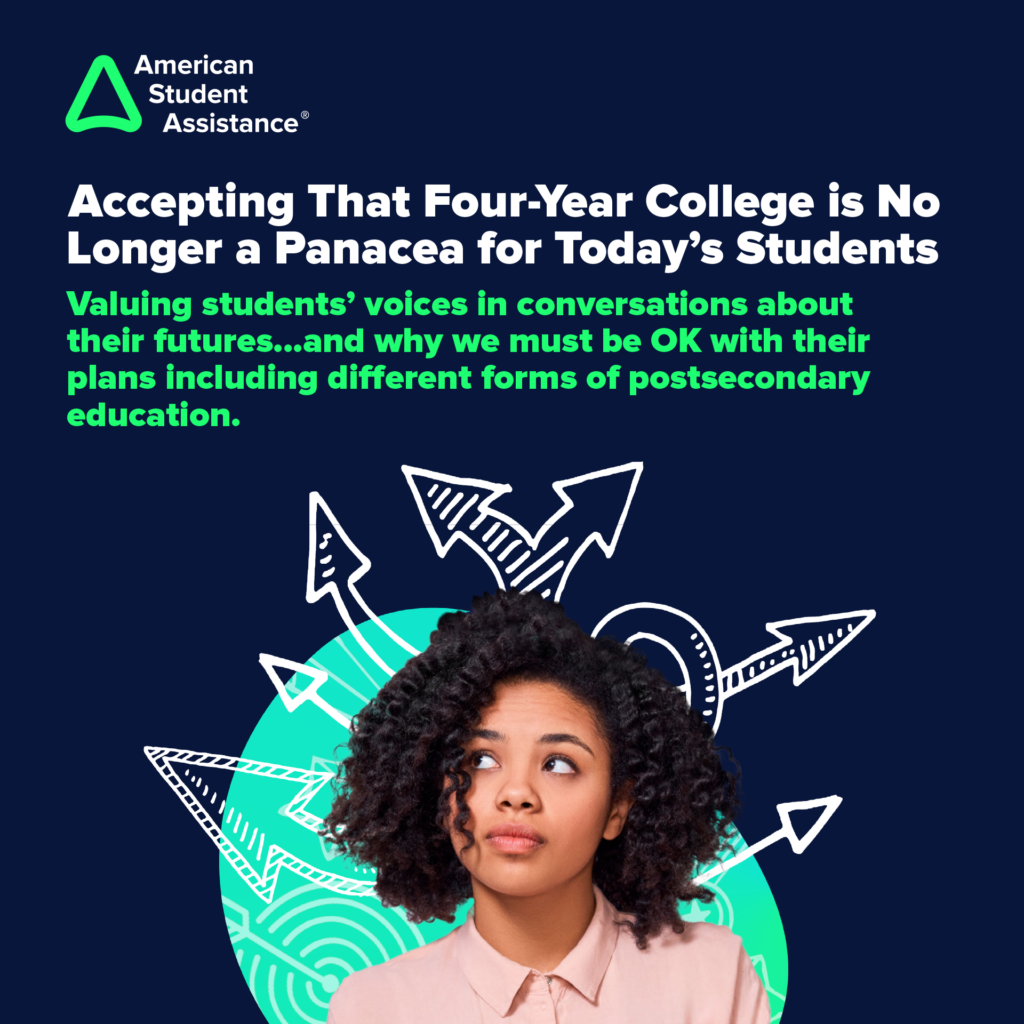
Accepting that Four Year College is No Longer a Pancea
This resource may be shared with proper attribution to the organization.
This resource may be shared with proper attribution to the organization.
This whitepaper resource by the American Student Assistance explains the importance of valuing students’ voices in conversations about their futures, and why families and communities must be OK with their plans including different forms of postsecondary education. Coverage includes the contextual differences of the college landscape "then vs. now", the pressures of decisionmaking and college attendence, policy recommendation, college students' aspirations, and how to guide them in times of uncertainty.
Community Resource, Research Report
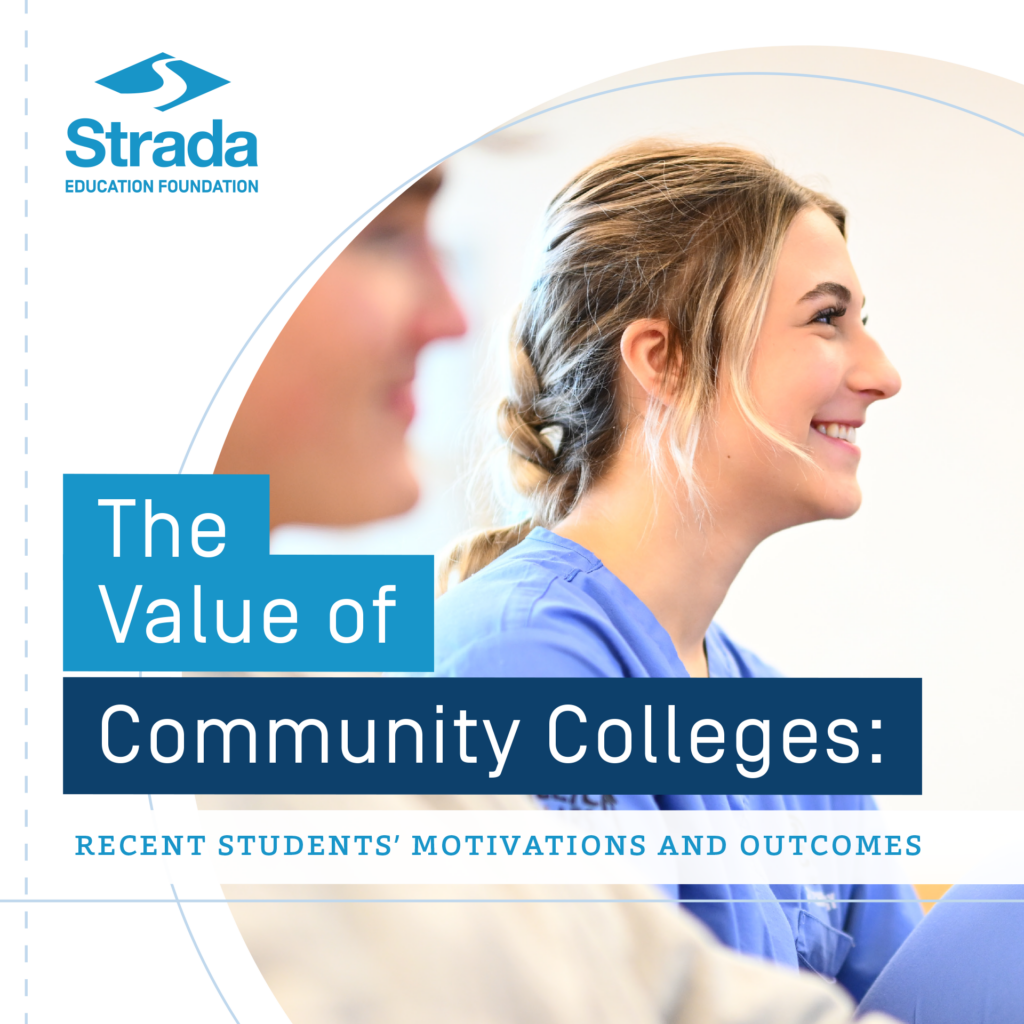
The Value of Community Colleges: Recent Students’ Motivations and Outcomes
This resource may be shared with proper attribution to the organization.
This resource may be shared with proper attribution to the organization.
This study examines recent community college student's motivations for enrolling, their self-reported perceptions of the value of their education and training experiences, and the degree to which they achieved their goals for enrolling. The outcomes they pursue range from skill development to certificates to degrees to transfer. Fewer than half of career seeking students report that their education helped them fulfill these motivations, or develop the skills needed for their subsequent outcomes such as critical thinking, communication or leadership. Additionally, the report finds that students are less likely to feel their education was worth the cost of that it helped them achieve their goals.
Filters
Research Report
Education Reimagined: Rising Appeal of Education Pathways
This is a white-label resource available for unrestricted use.
This is a white-label resource available for unrestricted use.
This research report presents in-depth findings from a national study conducted by Hattaway Communications on behalf of the Pathways and Workforce Funders Group (PWF). The report explores how learners, parents, and employers understand and experience non-degree education pathways. Drawing on survey data from more than 3,000 participants—including high school students, young adults, parents, and hiring managers—it offers a comprehensive look at attitudes toward education and career training options beyond a four-year degree.
The findings reveal widespread support for pathways programs, shared motivations across audiences, and critical gaps in perceived accessibility, language, and relevance. The report also identifies communication challenges and provides actionable recommendations for practitioners, funders, and advocates to strengthen messaging, improve access, and increase enrollment.
Infographics
Opportunity@Work Tool: Infographics
This resource may be shared with proper attribution to the organization.
This resource may be shared with proper attribution to the organization.
Infographics demonstrating degree inflation, which caused labor shortage and opportunity gap. This can be used to talk with employers and government about the importance of skill-based hiring.
Book
Choosing College
This resource may be shared with proper attribution to the organization.
This resource may be shared with proper attribution to the organization.
This report looks at how people make decisions regarding higher education through “Jobs-to-be-Done” theory which interrogates and exposes the real reasons people make personal choices, from buying a milk shake to make life-changing decisions. The analysis based on this theory, provides important insights, both for college-bound students and their families, but also institutions of higher education, many of which might be tooling themselves to perform the wrong job.
Research Report
Skills-Based Hiring
This resource may be shared with proper attribution to the organization.
This resource may be shared with proper attribution to the organization.
While headlines trumpet the demise of the college degree, this joint report with Harvard Business School Project on Managing the Future of Work reveals a different reality. Many companies have announced dropping degree requirements, but sustained hiring changes remain elusive for most. This report identifies where the reality of skills-based hiring might be lagging well-meaning ambitions, and shows which companies are getting it right.
White Paper
Degrees of Risk: What Gen Z and Employers Think About Education-to-Career Pathways… and How Those Views are Changing
This resource may be shared with proper attribution to the organization.
This resource may be shared with proper attribution to the organization.
This is an examination of what is required to make a person employable, as well as what professional and educational success looks like. This study was commissioned by American Student Assistance (ASA) and Jobs for the Future (JFF). The research aimed to understand current familiarity with and perceptions of non-degree postsecondary pathways from both Gen Z and employer perspectives. This paper also makes recommendations for the way forward to expand high-quality postsecondary options for all learners.
White Paper
Accepting that Four Year College is No Longer a Pancea
This resource may be shared with proper attribution to the organization.
This resource may be shared with proper attribution to the organization.
This whitepaper resource by the American Student Assistance explains the importance of valuing students’ voices in conversations about their futures, and why families and communities must be OK with their plans including different forms of postsecondary education. Coverage includes the contextual differences of the college landscape "then vs. now", the pressures of decisionmaking and college attendence, policy recommendation, college students' aspirations, and how to guide them in times of uncertainty.
Community Resource, Research Report
The Value of Community Colleges: Recent Students’ Motivations and Outcomes
This resource may be shared with proper attribution to the organization.
This resource may be shared with proper attribution to the organization.
This study examines recent community college student's motivations for enrolling, their self-reported perceptions of the value of their education and training experiences, and the degree to which they achieved their goals for enrolling. The outcomes they pursue range from skill development to certificates to degrees to transfer. Fewer than half of career seeking students report that their education helped them fulfill these motivations, or develop the skills needed for their subsequent outcomes such as critical thinking, communication or leadership. Additionally, the report finds that students are less likely to feel their education was worth the cost of that it helped them achieve their goals.