Career Education
Article
What it will take to change the narrative about career education
This resource may be shared with proper attribution to the organization.
This resource may be shared with proper attribution to the organization.
The article discusses the growing issue of young Americans aged 18-24 not engaging in college or work, exacerbated by the pandemic. Despite high job vacancies, there's skepticism toward non-college education and job-training programs. The article highlights policy recommendations to integrate workforce training and higher education, stressing that both traditional and non-degree credentials are essential for economic mobility. The purpose is to advocate for a broader, more inclusive approach to postsecondary education and workforce training, aiming to enhance economic opportunities for all.
Research Report
Unlocking Economic Prosperity
This resource may be shared with proper attribution to the organization.
This resource may be shared with proper attribution to the organization.
Research Report
Preparing our Students for the Real World
This resource may be shared with proper attribution to the organization.
This resource may be shared with proper attribution to the organization.
This is a thought paper for school and community leaders. It takes an honest look at the reality of what was facing America students and its workforce in 2019 and what brought America to this reality. It also provides clarity and direction to bring greater effectiveness and scalability to Career Connected Learning practices.
Article
Bridging the Advancement Gap
This resource may be shared with proper attribution to the organization.
This resource may be shared with proper attribution to the organization.
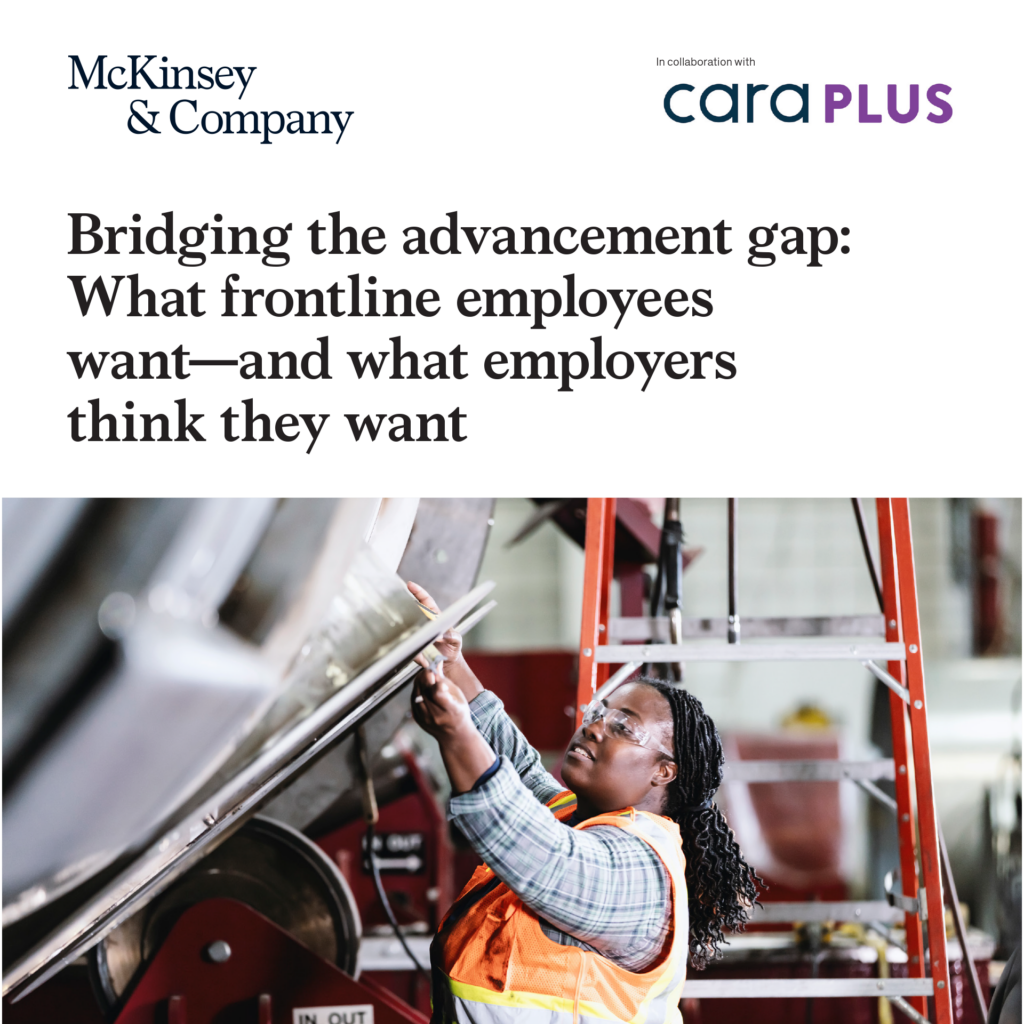
To better understand frontline employee perspectives, McKinsey, in collaboration with Cara Plus, conducted separate surveys of frontline employees and managers of frontline employees across the country in March 2022. This article explores frontline employee career advancement in four parts: first, what frontline employees say they need; second, what employers perceive as the career advancement priorities of frontline employees; third, the common barriers to career advancement; and last, how employers can bridge the differences, with a focus on tactical actions to meaningfully improve career advancement outcomes.

Article
How does Gen Z see its place in the working world? With trepidation
This resource may be shared with proper attribution to the organization.
This resource may be shared with proper attribution to the organization.
The purpose of the report is to explore and highlight the unique challenges and perceptions of Generation Z as they enter the workforce amid various global crises. It presents data from McKinsey's American Opportunity Survey, revealing Gen Z's higher likelihood of working multiple jobs, financial insecurity, mental health struggles, and pessimism about economic milestones like homeownership and retirement. The report aims to inform employers and other stakeholders about these generational differences to better support Gen Z in the workplace and address their specific needs and concerns.
Narrative Framework
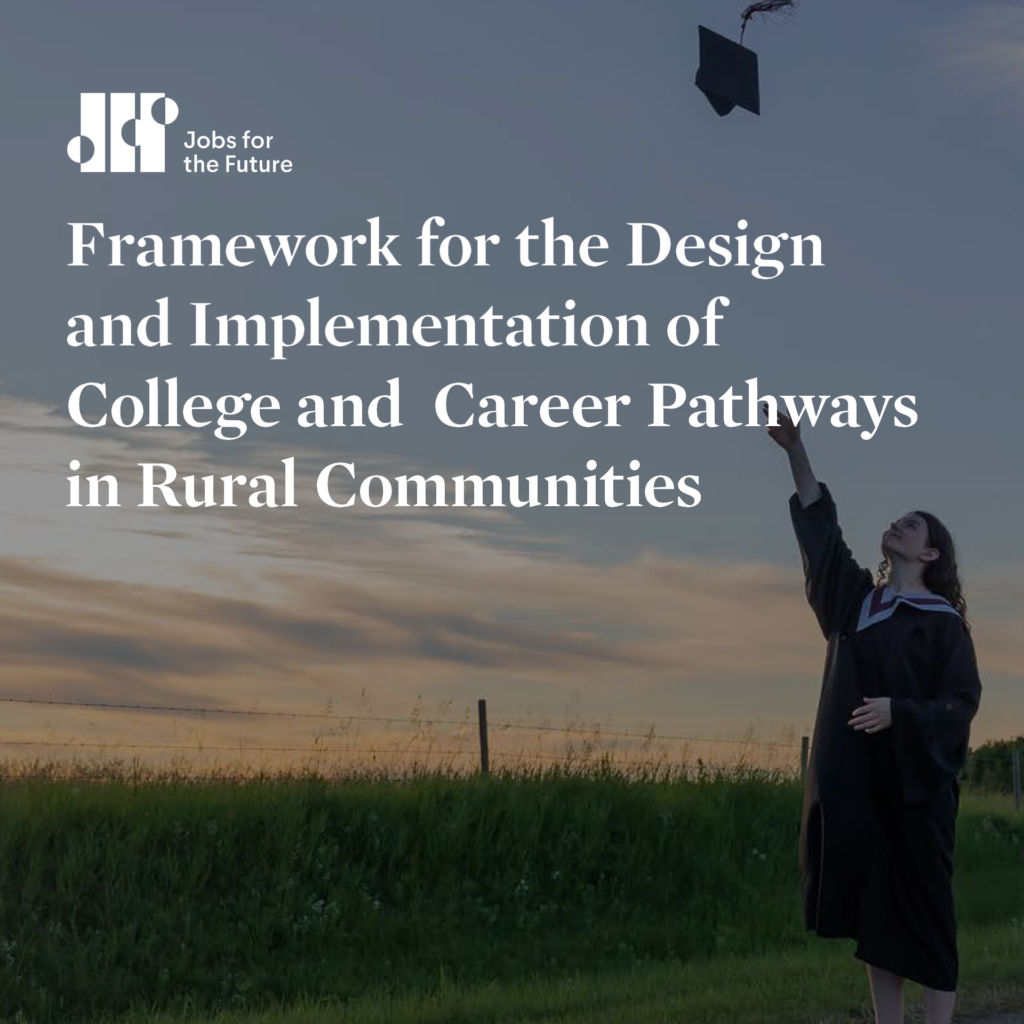
Framework for the Design and Implementation of College and Career Pathways in Rural Communities
This resource may be shared with proper attribution to the organization.
This resource may be shared with proper attribution to the organization.
Pathways that respond to the unique needs of—and opportunities in—rural communities are a critical strategy to support youth and advance economic development. This framework outlines key considerations and promising strategies for pathways leaders who seek to achieve equitable outcomes for youth while strengthening rural communities.
Research Report
Striving to Thrive
This resource may be shared with proper attribution to the organization.
This resource may be shared with proper attribution to the organization.
This is a set of research about how young people form their occupational identities. From 2018-2019, Equitable Futures gathered key insights from qualitative and quantitative research with over 4,000 young people on how they see themselves and the opportunities and challenges they anticipate in pursuing their career and life goals.
Research Report
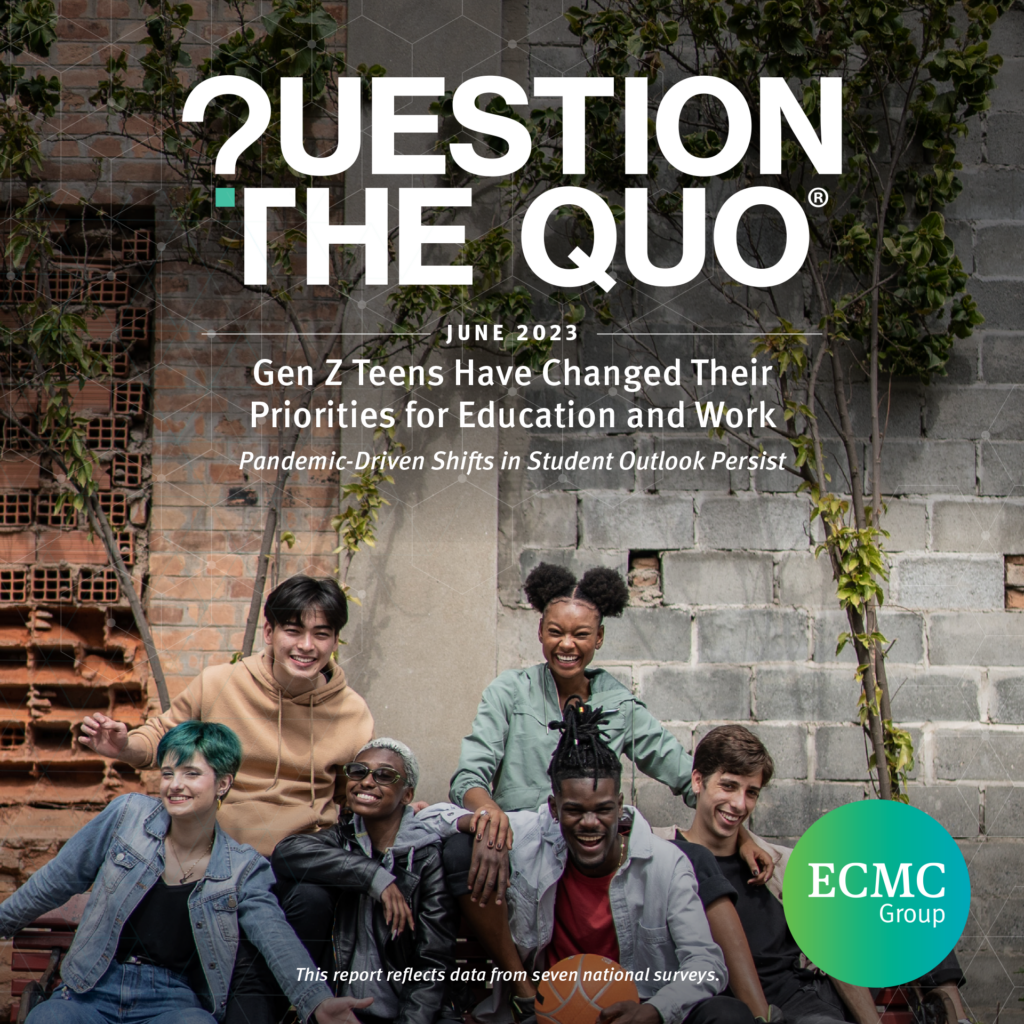
Question the Status Quo: Gen Z Teens Have Changed Their Priorities for Education and Work
This resource may be shared with proper attribution to the organization.
This resource may be shared with proper attribution to the organization.
Research Report
The Making of an Innovation Engine: Advancing Career-Connected Learning
This resource may be shared with proper attribution to the organization.
This resource may be shared with proper attribution to the organization.
The Catalyze Challenge set out to answer two core research questions: was it successful in catalyzing new innovation and, if so, what type? It employs a three-stage review process involving a collective effort to identify unique, groundbreaking career-connected models that are heavily invested in the communities they serve. The key takeaways that are explored in depth throughout this report.

Article, Research Report
Measuring Who Moves Ahead
This resource may be shared with proper attribution to the organization.
This resource may be shared with proper attribution to the organization.
The 2023 American Opportunity Index evaluated nearly 400 large U.S. firms to produce key findings on how firms maximize their internal talent to drive corporate performance and the growth of their employees. It also raised significant disparities in promotion and retention among companies and underscores the business choice in talent management practices. Among their key findings are that large companies that excel in employee retention save up to $400 million annually on turnover costs, primarily by offering promotion opportunities and competitive wages. Additionally, top companies are 2.5 times more likely to promote employees and pay 68% more for the same roles, benefiting corporate performance and worker growth.
Filters
Article
What it will take to change the narrative about career education
This resource may be shared with proper attribution to the organization.
This resource may be shared with proper attribution to the organization.
The article discusses the growing issue of young Americans aged 18-24 not engaging in college or work, exacerbated by the pandemic. Despite high job vacancies, there's skepticism toward non-college education and job-training programs. The article highlights policy recommendations to integrate workforce training and higher education, stressing that both traditional and non-degree credentials are essential for economic mobility. The purpose is to advocate for a broader, more inclusive approach to postsecondary education and workforce training, aiming to enhance economic opportunities for all.
Research Report
Unlocking Economic Prosperity
This resource may be shared with proper attribution to the organization.
This resource may be shared with proper attribution to the organization.
Research Report
Preparing our Students for the Real World
This resource may be shared with proper attribution to the organization.
This resource may be shared with proper attribution to the organization.
This is a thought paper for school and community leaders. It takes an honest look at the reality of what was facing America students and its workforce in 2019 and what brought America to this reality. It also provides clarity and direction to bring greater effectiveness and scalability to Career Connected Learning practices.
Article
Bridging the Advancement Gap
This resource may be shared with proper attribution to the organization.
This resource may be shared with proper attribution to the organization.
To better understand frontline employee perspectives, McKinsey, in collaboration with Cara Plus, conducted separate surveys of frontline employees and managers of frontline employees across the country in March 2022. This article explores frontline employee career advancement in four parts: first, what frontline employees say they need; second, what employers perceive as the career advancement priorities of frontline employees; third, the common barriers to career advancement; and last, how employers can bridge the differences, with a focus on tactical actions to meaningfully improve career advancement outcomes.
Article
How does Gen Z see its place in the working world? With trepidation
This resource may be shared with proper attribution to the organization.
This resource may be shared with proper attribution to the organization.
The purpose of the report is to explore and highlight the unique challenges and perceptions of Generation Z as they enter the workforce amid various global crises. It presents data from McKinsey's American Opportunity Survey, revealing Gen Z's higher likelihood of working multiple jobs, financial insecurity, mental health struggles, and pessimism about economic milestones like homeownership and retirement. The report aims to inform employers and other stakeholders about these generational differences to better support Gen Z in the workplace and address their specific needs and concerns.
Narrative Framework
Framework for the Design and Implementation of College and Career Pathways in Rural Communities
This resource may be shared with proper attribution to the organization.
This resource may be shared with proper attribution to the organization.
Pathways that respond to the unique needs of—and opportunities in—rural communities are a critical strategy to support youth and advance economic development. This framework outlines key considerations and promising strategies for pathways leaders who seek to achieve equitable outcomes for youth while strengthening rural communities.
Research Report
Striving to Thrive
This resource may be shared with proper attribution to the organization.
This resource may be shared with proper attribution to the organization.
This is a set of research about how young people form their occupational identities. From 2018-2019, Equitable Futures gathered key insights from qualitative and quantitative research with over 4,000 young people on how they see themselves and the opportunities and challenges they anticipate in pursuing their career and life goals.
Research Report
Question the Status Quo: Gen Z Teens Have Changed Their Priorities for Education and Work
This resource may be shared with proper attribution to the organization.
This resource may be shared with proper attribution to the organization.
Research Report
The Making of an Innovation Engine: Advancing Career-Connected Learning
This resource may be shared with proper attribution to the organization.
This resource may be shared with proper attribution to the organization.
The Catalyze Challenge set out to answer two core research questions: was it successful in catalyzing new innovation and, if so, what type? It employs a three-stage review process involving a collective effort to identify unique, groundbreaking career-connected models that are heavily invested in the communities they serve. The key takeaways that are explored in depth throughout this report.
Article, Research Report
Measuring Who Moves Ahead
This resource may be shared with proper attribution to the organization.
This resource may be shared with proper attribution to the organization.
The 2023 American Opportunity Index evaluated nearly 400 large U.S. firms to produce key findings on how firms maximize their internal talent to drive corporate performance and the growth of their employees. It also raised significant disparities in promotion and retention among companies and underscores the business choice in talent management practices. Among their key findings are that large companies that excel in employee retention save up to $400 million annually on turnover costs, primarily by offering promotion opportunities and competitive wages. Additionally, top companies are 2.5 times more likely to promote employees and pay 68% more for the same roles, benefiting corporate performance and worker growth.